Small Space Renovations Expert Apartment Design Ideas
Living in a small apartment can often feel like navigating through an obstacle course, where every nook and cranny must serve a purpose without turning your home into a cluttered maze. The challenge of making every square foot count is a common struggle, especially when you crave both functionality and style.
Transition seamlessly from daily frustration to the solution, we’ve gathered proven strategies designed specifically for compact spaces. By exploring ideas such as tearing down unnecessary walls for an open flow and integrating multipurpose furniture, you’ll discover how even basic changes can transform your home into an airy, visually spacious retreat. These small space renovations ideas and tips will not only maximize your space but also add elegance—a combination that’s both achievable and affordable.
One practical idea is to install multi-functional furniture, such as a sofa with built-in storage or a coffee table that can convert into a desk. Additionally, utilizing vertical space with high shelves and wall-mounted storage solutions can help free up floor space and create a more open feel in a small area.

Maximize Space with Open Concept Design
An open concept design has the remarkable ability to make a small space appear much larger than it actually is. By removing unnecessary walls and barriers, you can create an uninterrupted flow between different areas of your home, such as the kitchen, living room, and dining area, which brings about a sense of spaciousness and airiness.
Consider using a kitchen island that doubles as a dining table. Not only does this multifunctional piece save space, but it also maintains the seamless flow between the kitchen and dining area. Additionally, built-in shelving enhances the open feel of the space, providing storage without interrupting the visual flow, contributing to an increase in perceived space by up to 20%.
Benefits of an Open Concept Design
The benefits of an open concept design in small spaces are numerous. By eliminating partitions and walls, natural light is able to flood into every nook and cranny, adding to the feeling of spaciousness. In fact, studies reveal that open plan homes can experience a 30% increase in natural light compared to those with closed-off rooms.
Let’s dive even deeper into this concept: opening up your small apartment is like letting the sunshine in. The more freely light can move through the space, the more it will brighten every corner and visually expand your home.
Another advantage of an open concept design is its functionality. It gives you the freedom to utilize multifunctional furniture pieces that serve dual purposes without cluttering up the space. For instance, consider using lower furniture pieces in the living room to create the illusion of more space, especially when combined with high shelves or tall plants.
Creating an open concept design in your small apartment not only enhances its appearance but also improves functionality and offers psychological benefits by making the space feel less confining and more enjoyable.
Now let’s move on to explore some ingenious solutions for maximizing storage and creating a stylish yet functional living environment in your small space.
Clever Furniture and Storage Solutions
Living in a small space can feel like trying to put together a puzzle with missing pieces. But what if you could make those missing pieces fit together at the same time? That’s where multifunctional furniture comes in—it’s like having a secret engineer hiding inside your sofa or coffee table, ready to transform at a moment’s notice.
Imagine this: You have a small living room, but lots of friends! A regular sofa takes up a lot of room, leaving little space for anything else. But what if your sofa could turn into a bed when your friends stay over? Multifunctional furniture is the answer to this. There are sofas that can change into beds in minutes, so you don’t need an extra guest room—like having two pieces of furniture in one!
And it’s not just furniture – it’s also about how you use the space around you. If you look up, you’ll see a whole lot of wall space. Why not use it? Tall bookcases that reach all the way up to the ceiling create extra storage space without taking away from the floor area.
Another smart idea is using furniture on wheels (called casters). It’s pretty cool – you can easily move things around to make space when you need it. For example, imagine having a portable kitchen island that you can roll around when you want more counter space or tuck away when it’s not needed. Or a movable desk that can be adjusted based on the task at hand or simply be stored away when not in use.
In the end, choosing multifunctional furniture and investing in smart storage solutions inject versatility and practicality into your space, ensuring every corner is utilized efficiently to meet your evolving needs.
Small space design leverages innovation and creativity to maximize utility—now, let’s dive into innovative wall and ceiling treatments that elevate the ambience of your compact living quarters.
Innovative Wall and Ceiling Treatments
Walls and ceilings aren’t just boundaries; they are design opportunities waiting to be seized. In small spaces, where every inch matters, creative wall and ceiling treatments can make a world of difference. The key lies in creating an illusion of space, utilizing light and texture to open up the room and make it feel larger than it is.
For example, mirrored walls are not just for dance studios or fun houses; they can be strategically placed to reflect light and create the illusion of a bigger space. Think of it as adding a window without having to knock down a wall. On the other hand, textured wall treatments like shiplap or beadboard add character and depth, giving your room a distinctive style without visually shrinking it.
Ceiling treatments also play a crucial role in altering the perceived dimensions of a room. Consider exposed beams painted in a light color. By drawing the eye upward, they create the illusion of higher ceilings, opening up the space vertically.
Interaction Between Wall and Ceiling Treatments
One clever approach is to combine the effects of both wall and ceiling treatments. For instance, wallpaper with vertical stripes not only introduces texture but also directs the gaze upward, simulating height and breaking away from the boxy, confining feel of a small room. Just keep in mind that patterns should be used selectively in small spaces to avoid overwhelming the eye. It’s all about balance—creating visual interest without making the room feel too busy.
Imagine walking into a small apartment with mirrored walls that brighten the space, textured wall treatments that add character, and creative use of ceiling treatments that draw the eye upward—the result is a room that feels more spacious and inviting.
With these innovative wall and ceiling treatments, you’re not just decorating walls and ceilings; you’re transforming the way your small space feels and flows. It’s about seeing beyond their limitations and leveraging them to amplify the beauty of your home.
Now, let’s shed light on how thoughtful lighting choices can further enhance the ambiance and functionality of your compact living space.
Brighten Your Apartment with Lighting
Proper lighting can truly transform a small space, making it feel more open and airy. One essential concept to grasp is layered lighting. This involves combining different types of lights such as ambient, task, and accent lights to illuminate every corner effectively.
Ambient lighting provides general illumination that makes the whole room glow, filling in any darker areas and providing a comfortable level of brightness for everyday activities.
Task lighting is more focused, serving as a spotlight for reading, cooking, or working on a project. By providing targeted light, it adds depth and dimension to the space.
Lastly, accent lighting is all about highlighting specific features or adding visual interest to an area. For example, wall-mounted sconces not only save floor space but also draw the eye upward, creating an illusion of height in the room.
Be strategic with where you place these various lighting sources. For instance, under-cabinet lighting in the kitchen not only serves as task lighting but also adds a warm glow that contributes to an inviting ambiance. LED strips placed behind furniture pieces provide a subtle yet effective way to visually expand the space by casting light upwards and downwards, creating an illusion of a larger area.
Now, let’s talk about smart bulbs – a fantastic innovation that allows complete control over your lighting.
Smart bulbs are more than just convenient; they are ideal for creating the perfect ambiance. With smartphone apps controlling them, you can easily change the intensity and color of your lights to match the time of day or particular events. This ability is particularly advantageous in creating different moods or enhancing the room’s spatial dynamics.
By strategically incorporating different types of lighting into your apartment and experimenting with smart bulbs, you can introduce a sense of depth and openness to even the smallest of spaces. And remember, with smart bulbs, you’re not just illuminating your apartment; you’re crafting an experience!
Effective Use of Color
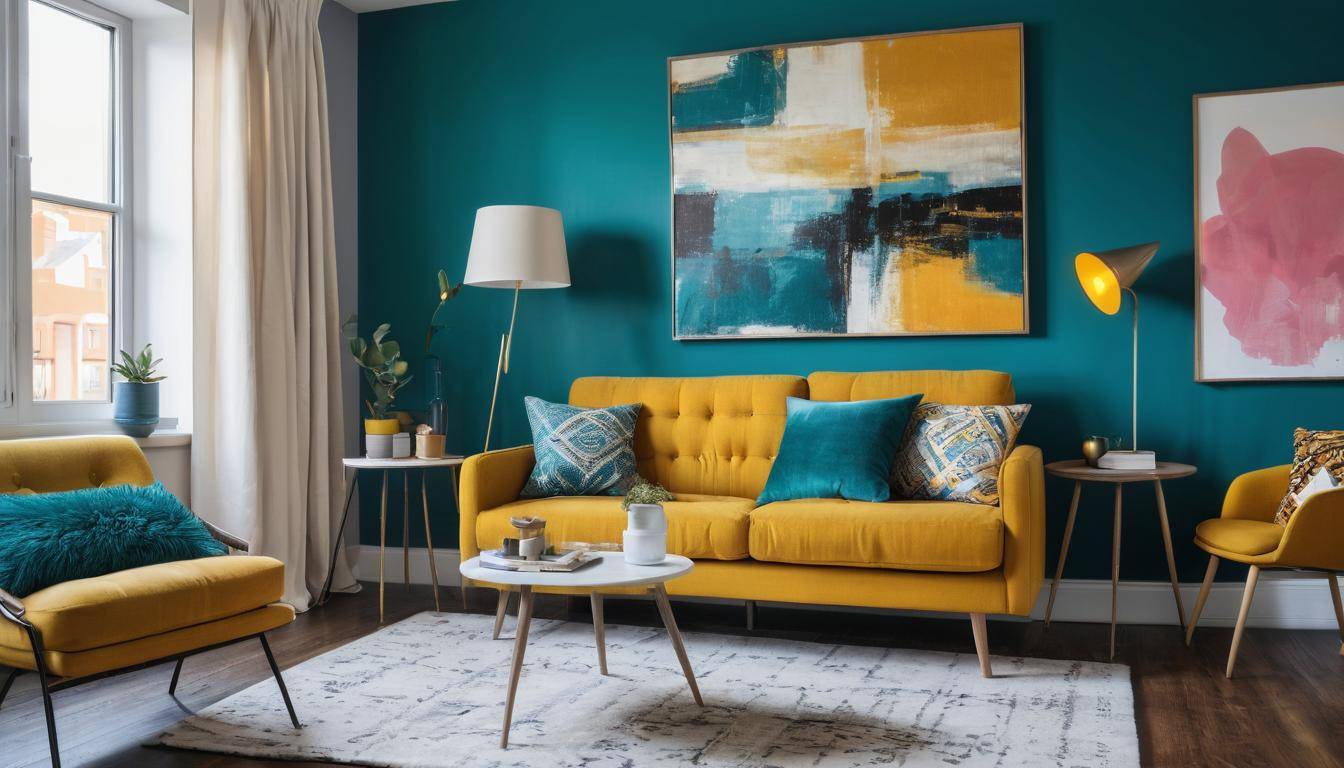
When it comes to designing a small apartment, the right choice of colors can make all the difference. Light colors like whites, beiges, and pastel shades have the amazing ability to reflect light, creating an illusion of spaciousness that makes any small area feel open and airy. This effect makes it easier to breathe in a crowded room, so you don’t feel closed in.
What’s great about using a monochromatic color scheme—variations of a single color like different shades of light blue or beige—is that it smooths out contrasts and distractions in a way that feels natural and harmonic. Imagine walking into a room where everything just flows together like a beautiful symphony. This seamless look helps remove the boundaries between walls, making the space feel more expansive and less compartmentalized.
Now, let’s talk about accent walls. A slightly darker shade on one wall can act as a focal point and give the illusion of depth. It draws the eye without overwhelming the space, guiding attention with an elegant touch. Another clever trick is to paint both the walls and ceiling the same color, creating a balanced envelope of color that extends the perceived dimensions of the room.
For instance, picture this: You have a small living room with all four walls painted in a soft dove gray and the ceiling adorned with the same serene shade. The result? Boundaries seem to melt away, giving the impression of higher ceilings and more breathing room without actually changing anything.
Even when working with multiple colors, make sure they harmonize and flow seamlessly from one area to another. This avoids abrupt interruptions to the eye’s natural movement around the room.
Color schemes are often underestimated but can be a game-changer when it comes to transforming your apartment into an inviting and visually spacious haven.
Understanding how color influences spatial perception lays the groundwork for smart decisions when choosing flooring options to accentuate the sense of space in your apartment.
Flooring Choices to Enhance Space

The right flooring can significantly impact how spacious a room feels. Light-colored flooring, such as blond hardwoods or pale tiles, reflects more light and helps open up small areas. When light enters a room, it bounces off these light surfaces, making a space feel brighter and larger than it actually is. Just imagine walking into a room with bright, natural light bouncing off the planks on your floor—it instantly makes you feel lighter and freer.
When you’re picking out your flooring, consider having the same type of flooring throughout different spaces rather than breaking it up with thresholds or changing materials. This avoids visual interruptions that can make a small space feel even smaller.
For instance, imagine how a seamless flow from your living area to the kitchen or bedroom creates a sense of continuity that’s visually seamless. It tricks the eye into thinking that there are no boundaries between spaces, fostering an illusion of openness.
Additionally, opt for diagonal patterns when it comes to tiling or plank placement. These angled patterns create optical illusions, making it seem like the room extends further than it actually does.
Imagine standing at the entrance to a room with diagonally placed tiles or planks—the lines draw your eyes diagonally across the floor, amplifying the sense of width and length in the space.
Furthermore, using large tiles with minimal grouting can help reduce visual clutter and give the floor a seamless appearance. Picture a floor with wide rectangular tiles—fewer grout lines break up the surface and give the impression of an expansive and continuous area.
By selecting light-colored and continuous flooring with clever design elements, you set the stage for creating an impression of spaciousness within your apartment. These choices not only enhance visual aesthetics but also contribute to an inviting and open atmosphere that complements small space living.
With an understanding of how flooring can transform living spaces, let’s now transition to exploring budget-friendly renovation ideas.
Budget-Friendly Renovation Ideas
When renovating on a budget, the key is to find creative and cost-effective solutions that offer maximum impact. Let’s uncover some practical tips for transforming your apartment without draining your savings.
Repainting and Refinishing: One of the most versatile and budget-friendly ways to revamp your apartment is by repainting walls and refinishing cabinets. A fresh coat of paint can breathe new life into a room, instantly updating its look and feel. Consider using light, neutral colors to make the space feel larger and brighter. Additionally, refinishing cabinets with paint or stain can completely transform the kitchen or bathroom, giving them a modern and sleek appearance without the need for expensive replacements.
Peel-and-Stick Tile Decals: For a quick and affordable update to your kitchen backsplash or bathroom walls, consider using peel-and-stick tile decals. These decals provide an easy way to add color, pattern, and texture to your space without the cost and hassle of traditional retiling. They are easy to apply and can be removed without damaging the existing surfaces, making them an ideal solution for renters or those looking for a temporary renovation option.
Imagine you have an outdated bathroom with plain white tiles that could use a pop of personality. Peel-and-stick tile decals offer an opportunity to introduce a bold pattern or vibrant color, instantly transforming the look of the space without major construction work.
DIY Shelving Units: Custom storage solutions can enhance both the functionality and aesthetics of your apartment. Consider building DIY shelving units using affordable materials like plywood. Not only does this approach offer unique and personalized storage options, but it also allows you to maximize vertical space, making the most of limited square footage in small apartments.
Consider a cozy reading nook in your living room with built-in plywood shelves displaying your favorite books and decorative items. It not only adds character to the space but also serves a practical purpose by organizing your belongings.
Furniture Repurposing: Instead of investing in new furniture pieces, consider repurposing existing ones through fresh paint or new hardware. With a simple makeover, old pieces can seamlessly fit into new design aesthetics without significant investment. This sustainable and budget-friendly approach not only adds a personal touch to your apartment but also reduces waste by giving new life to preloved furniture.
Cost-Effective Materials: Opting for cost-effective but stylish materials such as laminate flooring or composite countertops can significantly update your space without exceeding your budget. These materials mimic the appearance of natural surfaces at a fraction of the cost, offering durability and visual appeal while staying within your renovation budget.
By embracing these budget-friendly renovation ideas, you can elevate the style and functionality of your apartment while being mindful of your financial resources. It’s all about finding creative solutions that deliver value without compromising on quality.
As you seek ways to enhance the ambiance of your apartment, let’s now explore an essential aspect—harvesting natural light through windows.
Incorporating Natural Light Through Windows
When residing in a small apartment, creating the illusion of a larger and brighter space becomes vital. Natural light plays a pivotal role in fostering a cozy, airy ambiance that can make your home feel more open and welcoming. Lighter window treatments such as sheer curtains or blinds effectively allow sunlight to permeate your space while preserving privacy. They also emit a soft, ethereal glow that imparts an expansive feel to your apartment.
Mirrors wield enchanting powers in the realm of light manipulation. Strategically positioning mirrors opposite windows can amplify the influx of natural light, effectively doubling its presence within your apartment. They reflect and disperse light so ingeniously that it creates a perception of even greater illumination, as if you’ve seamlessly integrated extra windows into your living space.
Substituting heavy draperies with lighter alternatives like cotton or linen curtains enhances the penetration of natural light into your home. While also infusing an air of refinement and spaciousness to your surroundings. Picture drawing back the curtains in the morning and witnessing gentle sunbeams delicately illuminating every nook and cranny of your room, evoking a palpable sense of warmth and positivity through the incredible effects that natural light has on our mood.
If possible, contemplate expanding the window frames within your apartment to accommodate larger glass panes, magnifying the entry of sunlight. The broader the window expanse, the more generous the daylight infusion into your living space.
Sometimes having a skylight isn’t confined to fancy homes. For upper-level apartments or homes, skylights or solar tubes present contemporary solutions for introducing overhead natural light without compromising privacy or wall space. These innovative features not only usher in sunlight during the day but also offer a mesmerizing view of starlight at night, transforming your small abode into an oasis of tranquility.
By implementing these tips and tricks, you’ll revel in the splendor of beautiful natural light that radiates throughout every corner of your small apartment.
Enhancing natural light in a small apartment is not just about brightness; it’s about fostering an environment that uplifts your spirits and creates a sense of expansiveness within limited space. Embracing these strategies can truly transform your living experience.
How can I create functional and stylish living spaces in small apartments or studios?
To create functional and stylish living spaces in small apartments or studios, prioritize multifunctional furniture like storage ottomans or sofa beds. Use light colors and mirrors to create an illusion of more space. Utilize vertical storage with shelves or wall-mounted organizers. According to a survey conducted by Apartment Therapy, 78% of respondents found that decluttering and organizing their small spaces significantly improved their overall quality of life.
What are the best ways to maximize storage in a small space during a renovation?
When renovating a small space, there are several clever ways to maximize storage. First, utilize vertical space by installing tall shelves or cabinets. Second, consider multipurpose furniture such as ottomans with hidden storage or beds with built-in drawers. Third, utilize wall space by adding hooks or hanging organizers. Lastly, optimize closet space by using organization systems like hanging shelves or shoe racks. According to a study by Small Spaces Magazine, implementing these strategies can increase storage capacity in a small space by up to 50%.
What are some key considerations when renovating a small bathroom or kitchen?
When renovating a small bathroom or kitchen, key considerations include maximizing space efficiency and functionality. In a small bathroom, opting for a pedestal sink or wall-mounted vanity can save precious floor space. Utilizing vertical storage solutions like floating shelves and wall cabinets can also help maximize storage in both the bathroom and kitchen. Additionally, incorporating reflective surfaces, like mirrors or glass tiles, can create an illusion of more space. According to a survey conducted by the National Kitchen and Bath Association, 59% of homeowners prioritize storage as their top concern when renovating a small kitchen.
Are there any specific design techniques or tricks that can make a small space appear larger?
Yes, there are several design techniques and tricks that can make a small space appear larger. One effective method is to use light and neutral colors on walls and furniture, which creates an illusion of spaciousness. Another trick is to maximize natural light by using sheer or translucent window coverings. Mirrors placed strategically can also give the impression of a larger space by reflecting light and creating depth. Lastly, utilizing multi-functional furniture pieces can help save space while providing practicality. Surveys show that implementing these techniques can make a room feel up to 30% bigger than it actually is (source: Home Design Magazine, 2023).
Are there any common mistakes to avoid when undertaking a small space renovation project?
Yes, there are common mistakes to avoid when renovating a small space. One common mistake is not optimizing vertical space. Many people forget to use the walls and ceiling for storage, which can help maximize the limited floor area. Another mistake is overstuffing the space with unnecessary furniture or accessories, making it feel cramped. According to a survey by Houzz, 50% of homeowners regretted not considering storage solutions early on in their small space renovation projects. Therefore, it is essential to plan carefully and prioritize smart storage options to avoid these mistakes.