Step-by-Step DIY Home Renovation Tips Projects and Ideas for Beginners
Starting your first home renovation might seem daunting, but beginning with just a few simple changes can make a world of difference. Picture this: rather than tackling a whole room, you might start by refreshing a wall with a fresh coat of paint or adding some stylish new shelves. These small steps serve as the building blocks for larger projects, gradually enhancing both your skills and confidence.
Safety is paramount when diving into DIY projects. As you embark on this journey, protective gear like goggles and gloves aren’t optional; they’re essential. You’ll find that many successful renovators began right where you are—eager yet cautious. It’s this mindful approach to planning, combined with thorough research and expert advice, that allows you to create beautiful transformations while sticking to your budget. From estimating costs accurately to setting aside funds for unexpected hiccups, every detail has been carefully considered to help you navigate your home renovation adventure seamlessly.
One crucial DIY home renovation tip is to start with small projects, such as repainting walls or upgrading hardware, before moving on to larger ones. Additionally, always remember to research and plan extensively before beginning any renovation project to ensure a successful outcome.

Preliminary DIY Renovation Tips
If you’re just beginning your DIY home renovation journey, the idea of delving into a large project may seem overwhelming. That’s why it’s crucial to take some initial steps to set yourself up for success. Here are some tips to help you navigate the early stages of your renovation journey.
Start Small
Instead of jumping headfirst into a major renovation, starting small can actually set you up for greater long-term success. Simple projects like painting a room or installing shelves not only allow you to gain hands-on experience but also help build your confidence and skills. It’s like learning to ride a bike—you start with training wheels before taking off on a cross-country cycling trip.
By conquering these smaller tasks, you’ll become more comfortable working with tools and materials, and you’ll develop a better understanding of the renovation process as a whole. This foundational experience will serve as an essential building block for more complex projects in the future.
Safety First
While safety might not be the most exciting aspect of DIY renovations, it is unquestionably one of the most important. Whether you’re wielding a hammer or handling chemicals, it’s imperative to prioritize safety at all times. Therefore, always wear appropriate safety gear such as goggles, gloves, and masks when working on any home renovation project.
For example, when sanding or painting, wearing protective eyewear can prevent dust particles or paint from getting into your eyes. And even if it feels unnecessary at times, wearing work gloves can shield your hands from splinters or sharp edges.
Gather Knowledge
As the saying goes, knowledge is power, and this couldn’t be truer in the world of DIY renovations. Before diving into a project, take the time to read guides, watch tutorial videos, and join DIY forums. Learning from experts and other hobbyists can provide valuable insights and prevent costly mistakes down the road.
For instance, there are countless online resources dedicated to teaching beginners about specific tools or techniques. Additionally, engaging with a community of fellow DIY enthusiasts can offer a wealth of advice and support as you navigate your way through different projects.
Evaluate Your Skills
Lastly, it’s important to be honest about your current skill level. Assessing your abilities allows you to avoid tackling projects that might be too complex or ambitious for your current expertise. Remember, there’s no shame in recognizing where you might need some additional practice or guidance.
These preliminary tips serve as the necessary groundwork for your journey into DIY renovations. They set the stage for your development as a skilled and confident home renovator while helping to ensure that you approach each project with safety and knowledge in mind.
Having laid the foundation by mastering these preliminary tips, let’s now address another critical aspect of any successful home renovation—the budgeting process.
Setting a Renovation Budget
Imagine this: You return home one day and decide it’s time to tackle those home renovations you’ve been dreaming about. However, before tearing down walls or shopping for new furniture, you need to create a budget—the backbone of any successful renovation project. Without a clear and realistic budget, even the smallest project can easily spiral out of control, leaving your wallet empty and your home in disarray.
Creating a budget isn’t just about setting an arbitrary number; it’s about making informed decisions and prioritizing where and how to spend your hard-earned dollars. So, here are some essential steps to keep in mind when setting your renovation budget:
Estimate Costs
The first step is to carefully consider the costs associated with your project. Create a detailed list of all materials, tools, and decor items needed for your renovations. You can use online resources or consult local stores for current prices. Keep in mind that material costs can vary widely based on quality, brand, and quantity needed.
Tip: Don’t forget about additional expenses like delivery fees, taxes, and any special tools you may need to purchase or rent.
For instance, if you’re planning to replace the flooring in your home, consider the cost per square foot for the type of flooring you want. Add in underlayment, adhesive, trim pieces, and labor costs if you’re not planning on installing it yourself.
Include a Buffer
Once you’ve estimated your costs, it’s crucial to allocate an extra 10-15% of your budget for unforeseen expenses or emergencies. Renovations often come with surprises—hidden water damage behind walls or electrical issues—as well as unexpected price increases due to market fluctuations. By allocating a buffer within your budget, you’ll be better prepared to handle these situations without causing financial strain.
This buffer should be treated as a safety net and should only be used for unexpected issues that arise during the renovation process.
By estimating costs accurately and including a buffer for unforeseen expenses, you’re already taking the first steps towards setting up a realistic and manageable renovation budget. But there’s more—next up is prioritizing projects and tracking expenses to effectively manage your funds.
In order to ensure that every penny is well-spent in your renovation endeavors, it’s vital to create a comprehensive plan that outlines your goals and vision while staying within your means. Let’s dive deeper into this with our next segment on “Creating a DIY Plan.
Creating a DIY Plan
When it comes to renovating your home, having a solid plan in place is crucial. It’s like setting out on an adventure – you wouldn’t start without planning where you’re going, right? Your DIY renovation plan should be carefully crafted to guide you through the process and ensure that everything runs smoothly from start to finish.
Define Objectives
Your renovation objectives are the compass that guides your project. Clearly outline what you hope to achieve with your renovation. This helps ensure that every step you take aligns with your end goal. For example, if your aim is to create a more spacious living area, then each decision should contribute to achieving that objective.
By outlining your objectives, you set a clear path for the entire project and create a reference point for making decisions along the way. Plus, it helps you stay focused and avoid getting sidetracked by unnecessary tweaks or additions that may not align with your overall vision.
Break Down Tasks
Divide the project into manageable steps. This makes the renovation less overwhelming and easier to tackle one bit at a time. How do you eat an elephant? One bite at a time! Breaking down tasks into smaller chunks not only makes the workload seem more manageable but also allows for better organization and prioritization.
For instance, if you’re renovating your kitchen, breaking down tasks could involve phases like removing old cabinets, installing new ones, updating appliances, and so on. By taking one step at a time, it becomes much easier to stay on track and monitor progress effectively.
Set a Timeline
Estimate how long each task will take and create a schedule. Allocate extra time for unexpected delays to avoid rushing through the project. Like any journey, having an estimated time of arrival (ETA) helps in creating expectations and staying on course even when facing unforeseen setbacks.
This timeline doesn’t just serve as a guide; it’s also a useful tool for managing expectations and communicating progress with others involved in the renovation project. It ensures that everyone is on the same page about when specific tasks will be completed.
Gather Tools and Materials
List all the tools and materials you need for each step. This prevents multiple trips to the store and makes the process smoother. Just like going camping or fishing, having all the necessary gear ensures that things go as smoothly as possible.
While it may seem like a small detail, keeping track of tools and materials prevents unnecessary trips to hardware stores and ensures that you have everything needed to complete each task efficiently.
As you can see, having a well-thought-out DIY plan is essential for ensuring that your home renovation progresses smoothly and stays aligned with your overall vision. Now let’s move on to discussing common mistakes to avoid when creating a DIY renovation plan.
Improving Walls and Ceilings
Improving walls and ceilings can significantly enhance your home’s aesthetics. Whether you’re addressing cracks or adding elegance with crown molding, there are several ways to breathe new life into your living space without breaking the bank.
Patch and Repair
First things first: Let’s address any unsightly holes, cracks, or damages on your walls. Small damages like nail holes or minor cracks can easily be fixed with spackle or drywall patches. It’s essential to identify and repair these imperfections before moving on to the fun part – painting and decorating.
Patching and repairing not only make your walls look better but also prevent further damage. Think of it as laying a strong foundation before building a masterpiece – without a sound base, the end result won’t hold up.
Painting Tips
Once the repairs are completed, it’s time to give your walls a fresh coat of paint. For that professional finish, use painter’s tape to protect trims and edges from accidental smudges. Applying primer before the actual paint ensures better adhesion and durability, resulting in a longer-lasting and brighter paint job.
You might wonder why priming is necessary. Think of it as applying a base coat before adding that stunning color to your nails — the smoother and less porous surface ensures that the color lasts longer and looks more vibrant.
Adding Texture
If you want to take it up a notch, consider adding texture to your walls with special textured paint or wallpapers. This can transform a plain room into a visually appealing space with depth and character. Textured paint can be great for hiding imperfections on your wall, while wallpapers offer endless design possibilities.
Adding texture doesn’t just change the appearance; it changes the feel of the space too. It’s like putting on a cozy sweater during winter – it adds warmth and comfort to the room.
Ceiling Enhancements
Lastly, don’t neglect your ceiling when sprucing up your space. Consider adding crown molding or recessed lighting for an elegant touch. These enhancements can make a room look more spacious and create a sense of luxury without major renovations.
For instance, crown molding not only adds visual interest to the transition between walls and ceiling but also gives off an air of sophistication reminiscent of high-end homes.
So, whether you’re patching up, painting, adding texture, or enhancing your ceilings, these tips will help you revamp your walls and ceilings with ease. With a little creativity and effort, you can transform your living space into something truly remarkable!
Now that we’ve learned how to revamp our walls and ceilings, let’s shed some light on another critical aspect of home improvement: adding power and lighting.
Adding Power and Lighting
When embarking on a DIY home renovation project, one crucial area to consider is adding power and lighting. While it may initially seem overwhelming, having a good grasp of the essentials can guide you in making informed decisions about your electrical needs and lighting fixtures. Let’s break it down step by step.
Assessing Electrical Needs
Before making any changes, it’s crucial to understand the power requirements for your renovation. This might involve evaluating the need for new outlets, switches, or lighting fixtures. Take the time to map out where you envision these components being placed. By planning ahead, you can ensure that you have enough power sources in the right areas while avoiding overloading any circuits.
Consider future needs as well, such as whether you might want to install additional appliances or electronics in the same area. This foresight will help prevent the need for major revisions in the future.
Choosing Efficient Lighting
When selecting lighting for your renovated space, LED bulbs are an outstanding choice. These modern bulbs are not only energy-efficient but also long-lasting, making them a sustainable option for your home. Additionally, they come in various styles and color temperatures to suit different room aesthetics. Whether you’re aiming for warm ambiance or a cooler, more vibrant environment, there’s an LED bulb to match your vision.
LED bulbs consume significantly less energy than traditional incandescent bulbs and have a longer lifespan, meaning fewer bulb replacements over time. This not only saves money but also reduces waste.
Installing Dimmer Switches
Dimmer switches are an excellent addition to any living space or bedroom during a renovation. These innovative switches provide flexible lighting options that can be tailored to create the perfect atmosphere for any occasion. Furthermore, they can contribute to energy conservation by allowing you to adjust the brightness of your lights based on your needs at any given time.
The ability to adjust lighting levels can also positively impact your mood and overall well-being. From creating a calm atmosphere for relaxation to hosting lively gatherings, dimmer switches offer versatility and efficiency.
Ensuring Safe Installation
As with any electrical work, safety should always be the top priority. When installing electrical components during your home renovation project, it’s crucial to turn off the power at the breaker box before starting any work. If you’re uncertain about any steps or encounter complex wiring scenarios, consulting with a qualified electrician is highly recommended. Safety is paramount when working with electricity, so never hesitate to seek professional guidance when needed.
Even if you feel confident in handling certain aspects of the installation process, having an expert review your work can provide valuable peace of mind and ensure that everything is up to code and operating safely.
Incorporating these electrical and lighting elements into your DIY renovation project will not only enhance the functionality of your space but also contribute to its visual appeal while fostering a safer environment for you and your family.
As you continue on your journey of home improvement mastery, let’s turn our attention now to another critical aspect—upgrading your household with new and efficient appliances.
Replacing Appliances
When it comes to DIY home renovations, few tasks make a bigger impact than replacing old appliances with updated models. Not only does this bring a refreshed look to your living space, but it can also significantly improve energy efficiency, saving you both money and environmental resources in the long run.
Energy Efficiency Considerations
One of the top priorities when replacing appliances should be to look for Energy Star rated models. These appliances are designed to consume less power while still delivering optimal performance. By opting for energy-efficient models, you can reduce your monthly utility bills and contribute to a more sustainable environment. This step isn’t just about updating your home’s appearance; it’s also an opportunity to make a positive impact on your long-term energy consumption habits.
For instance, modern refrigerators, washing machines, and dishwashers often use advanced technology to conserve water and electricity without sacrificing functionality. So when shopping for new appliances, keep an eye out for the Energy Star label and watch as your home becomes more eco-friendly and cost-effective over time.
Precision Measuring
Before making any purchases, it’s crucial to ensure that the new appliance fits perfectly into its designated space. Measure both the appliance and the available space twice to prevent any fitting issues that may arise. Whether it’s a fridge, stove, or dishwasher, taking accurate measurements will save you from the hassle of returning oversized items or facing the disappointment of realizing that they don’t fit where you’d planned.
Ensuring Compatibility
Alongside measurements, it’s essential to verify that the new appliances are compatible with your home’s existing electrical and plumbing systems. Ensuring compatibility ahead of time can save you from unexpected installation problems down the line. It might seem like a small detail, but overlooking these compatibility checks could lead to costly modifications or adjustments after purchase.
For example, if you’re considering a new gas stove, make sure your kitchen is equipped with a gas supply line or has the necessary provisions for installation. Similarly, if you’re opting for a high-capacity washing machine, ensure that your plumbing system can handle the increased load without any issues.
Safe Disposal and Recycling
The process doesn’t end with a shiny new appliance at your doorstep – proper removal of old appliances is just as important. Before disconnecting and disposing of old appliances, make sure to follow local regulations for recycling and waste disposal. Many communities have specific guidelines for safely removing old appliances to minimize environmental impact.
Old appliances contain components that can be hazardous if not disposed of properly. By adhering to waste management guidelines, you’re doing your part in reducing environmental harm while making room for newer, more efficient models in your home.
Moreover, many local authorities offer recycling programs or collection services specifically tailored for old appliances. By participating in these programs, you can contribute to responsible waste management and potentially access incentives or rewards for your efforts.
Incorporating energy-efficient models into your renovation not only modernizes your living space but also aligns with environmentally conscious choices for long-term benefits. Furthermore, ensuring precise measurements and compatibility prevents unnecessary setbacks during installation. Lastly, by following proper disposal procedures for old appliances, you’re promoting sustainable practices within your community while creating room for state-of-the-art replacements.
Choosing the Right Tools and Materials
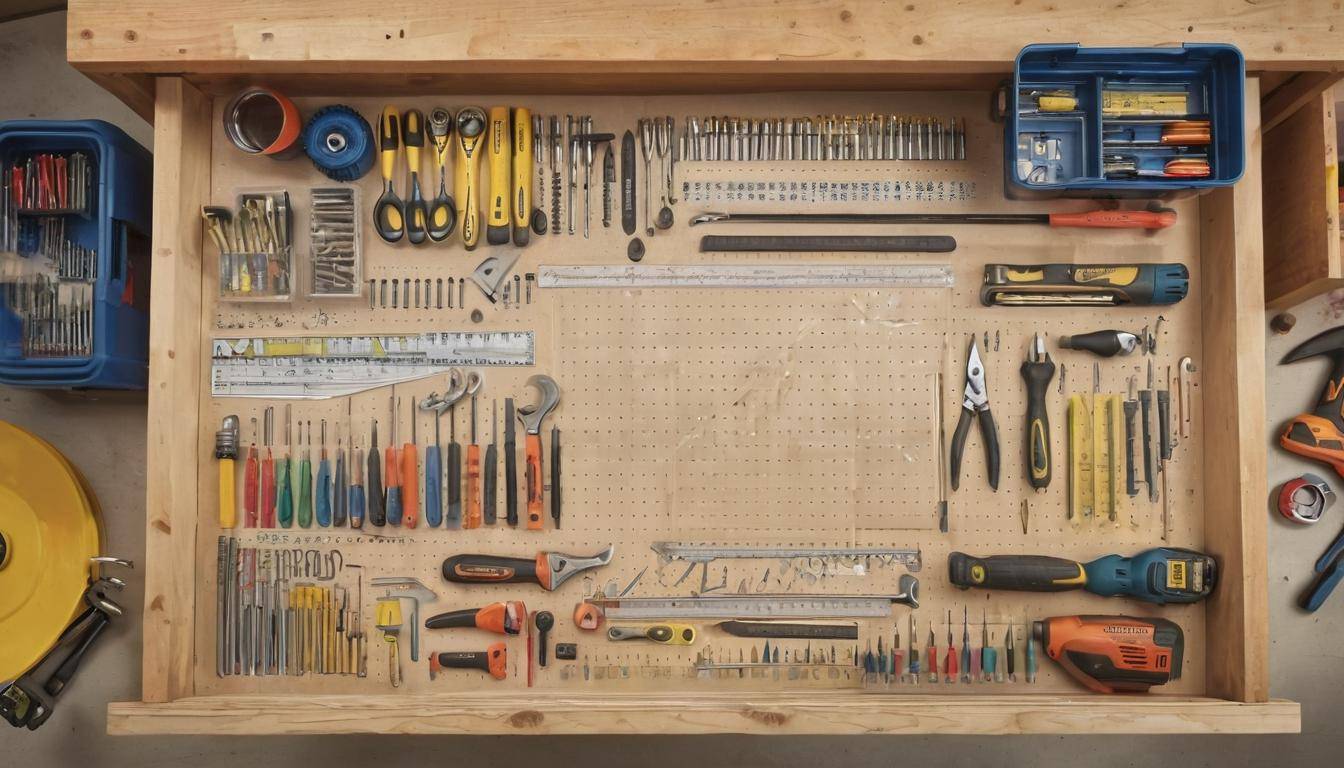
When it comes to DIY home renovations, having the right tools and materials can truly make all the difference. It’s like having a chef with top-tier cooking utensils—quality matters. Investing in high-quality tools and materials pays off in the long run as they last longer, perform better, and ultimately save you money. While they may be initially more expensive, their longevity and superior results easily justify the upfront cost.
Consider your tools as your trusty sidekicks on your renovation journey. They’re there to make your job easier, ensuring that every nail is driven home securely and every measurement is exact. An essential toolkit for any DIYer typically includes a hammer, screwdrivers (both flathead and Phillips), a level, measuring tape, and a cordless drill. These versatile tools are fundamental for a broad range of home improvement projects.
While you may be tempted to opt for the cheapest options, bear in mind that quality takes precedence over cost, especially when it comes to power tools such as drills. You want them to last through various projects without overheating or giving out mid-task. It’s about reliability—ensuring your power tools are up to par with your enduring commitment to getting the job done right.
Think about it this way: A poorly-made tool or material could lead to an incorrect measurement or a shoddy finish that will eventually require rework or even replacement. Your project’s success hinges on these details.
Shifting focus to materials, whether you’re putting up drywall in a bathroom or installing flooring in the kitchen, always choose materials that are best suited for the specific demands of the space. For instance, opting for moisture-resistant drywall in areas with high humidity can effectively prevent mold growth and maintain the structural integrity of your renovation.
It’s imperative to meticulously research and deliberate on the options available to you. Reading online reviews can provide valuable insights regarding customer satisfaction and product performance. This user feedback can help steer you away from subpar products and guide you toward reliable performers. It also creates an opportunity for you to learn from others’ experiences; knowing about potential issues or shortcomings before making a purchase empowers you to make informed decisions based on real-world experiences.
Ultimately, choosing the right tools and materials is a crucial step towards ensuring a successful home renovation project. The investment in quality equipment not only enhances the end result but also makes each stage of the remodeling process smoother and more enjoyable.
With the foundation set for making well-informed choices about tools and materials, let’s now turn our attention to managing the conditions that can impact a DIY renovation project.
Managing DIY Renovation Conditions

Have you ever had your heart set on a day of progress, only to be thwarted by the weather? Planning outdoor projects around the weather can save you time, money, and frustration. Whether it’s painting or sealing, ensuring that the weather conditions are favorable can make a world of difference in your DIY journey.
Imagine clearing space for a big project and having to stop halfway because of unexpected rain—no one wants that. Dry, moderate conditions are perfect for paint and sealants as they help them dry properly, without any ugly marks or unwanted streaks.
Just like how you wouldn’t want to put on wet clothes, similarly, you wouldn’t want to close up a freshly painted room only to find that the paint has dripped due to humidity.
However, it’s not just about the weather – in fact, organizing your workspace and preparing the area for renovations is crucial too. A clean and organized workspace can improve safety and efficiency. It’s important to position yourself so you have enough light to see what you’re doing and proper ventilation so you can breathe fresh air while working.
So if you thought cleaning up before starting was just a waste of time, think again! A tidy space not only helps reduce accidents but can also lead to more inspired work. And who doesn’t want that?
You might look at your workspace as empty rooms with tools lying around but have you ever tried looking at it as your very own canvas waiting for you to create something beautiful? You need adequate lighting and ventilation in this indoor environment to ensure a comfortable atmosphere as you work.
Furthermore, being considerate of those around you during your renovations is good practice as well. You don’t want to upset neighbors with excessive noise, especially when living in close quarters such as an apartment complex.
Taking into account these environmental considerations while renovating can elevate the quality of your projects and make the entire process more enjoyable and smoother.