Bathroom Renovation Tips From Blah to Spa
Renovating your bathroom can feel like stepping into uncharted territory, especially when balancing style with a tight budget. Whether you want a simple refresh or a complete overhaul, these tips can help make sure things run smoothly. Imagine walking into your newly-renovated space and feeling the satisfaction of knowing you achieved it through smart planning and DIY dedication—it’s not just about saving money; it’s about crafting something uniquely yours without breaking the bank.
The journey begins by setting clear financial boundaries and pinpointing where every dollar goes. Knowing exactly how much each element costs—from tiles to fixtures—can turn an overwhelming project into achievable steps. Once you break down these expenses, it’s easier to navigate the complexities of renovation while keeping both aesthetics and function in mind. With these considerations in place, let’s dive into establishing a flexible but firm budget plan to guide your bathroom transformation journey.
When planning a bathroom renovation, it’s important to prioritize the essentials such as plumbing, electrical work, and waterproofing to ensure safety and prevent future issues. By focusing on these foundational elements, you can create a solid framework for a successful renovation project.
Creating a Budget for Your Bathroom Renovation
When it comes to any renovation, big or small, setting a budget is the most foundational step. It’s key to understand how much you can afford and where to allocate those funds. As cliché as it may sound, a budget is more than just a number; it’s a roadmap that guides every decision and choice throughout the renovation process.
It’s important to set a total budget before starting anything else. Consider how much you’re willing to spend on the entire project without overstretching your finances. For instance, if the average cost for a bathroom renovation ranges from $6,000 to $15,000, setting a clear budget within this range provides a realistic goal. Furthermore, if you’re considering a DIY approach, keep in mind that your efforts can significantly reduce these costs.
Once you have your total budget figured out, it’s time to divide it into significant categories such as plumbing, fixtures, tiling, cabinetry, and labor. Allocate an amount to each category based on what’s important to you and your specific needs. For example, allocating 30% to fixtures, 20% to tiling, and keeping another 10% for unexpected costs can provide insight into where your money will be going.
Suppose you have $10,000 as your total budget. You can break it down like this: $3,000 for fixtures (such as taps, showerheads), $2,000 for tiles and bathroom flooring, and $1,000 for unexpected costs such as small repairs or changes during the renovation process.
After allocating your budget into categories, be sure to keep track of expenses meticulously. Use spreadsheets or popular budgeting apps to jot down quotes from contractors and suppliers, receipts for materials and fixtures, and any other related expenses. The more detailed you are with tracking expenditure at every stage of the project, the better clarity you’ll have on where your money is going.
Websites offering comprehensive cost guides can also be incredibly helpful in understanding and estimating expenses accurately. These resources give insights into the average cost of materials and labor in various regions which helps in setting realistic figures.
By establishing a clear budget divided into specific categories and diligently tracking every expense along the way, you’ll have a solid financial plan to guide your bathroom renovation endeavors.
Now equipped with a clear financial plan for your bathroom renovation project, let’s shift our focus to designing your renovated space – marrying functionality with aesthetics for an alluring and practical bathroom retreat.
Designing Your Renovated Space
Designing your renovated bathroom is where the real fun begins. It’s a chance to bring your creative vision to life and transform your space into something beautiful and functional. As you embark on this journey, remember that a successful bathroom design harmoniously combines aesthetics and practicality.
Aesthetics and Functionality: The design of your bathroom should reflect your personal style while meeting the practical needs of your household. Consider various themes like modern, rustic, or minimalistic, and pick one that resonates with you. Beyond aesthetics, think about storage solutions, lighting, accessibility, and the overall flow of the space. A well-designed bathroom seamlessly merges beauty with functionality.
For example, if you’re drawn to a modern theme for your bathroom, sleek lines, minimal clutter, and contemporary fixtures may be on your wishlist. However, it’s essential to balance this aesthetic appeal with necessary features like ample storage for towels and toiletries, as well as good lighting for grooming tasks.
Explore design inspirations from various sources. Websites such as Pinterest provide a treasure trove of bathroom design ideas. You can create mood boards or pin specific styles and elements that catch your eye. These visuals will aid in articulating your preferences when discussing the project with designers or contractors.
For instance, if you come across a beautifully designed vanity setup or a unique tiling pattern that resonates with you, save those images for reference. Visual references are instrumental in communicating your vision effectively, ensuring that everyone involved in the renovation understands the design direction.
Utilize Design Tools: Online platforms like Roomstyler or HomeByMe offer user-friendly interfaces where you can create digital mock-ups of your renovation plans. These tools allow you to experiment with different layouts, colors, and fixtures before making any physical changes to your bathroom.
Let’s say you have two layout options in mind for your bathroom – one with the bathtub against the far wall and another with the toilet relocated for better privacy. Using a design tool enables you to visualize both options without having to physically move anything. This digital trial-and-error process can save time and prevent potential regrets during the actual renovation.
Designing your renovated space is an exciting phase where creativity meets functionality. By carefully considering aesthetics and functionality and utilizing online design tools for visualization, you can craft a transformed bathroom that perfectly aligns with your vision and lifestyle needs.
As you continue shaping the ideal vision for your rejuvenated bathroom space, let’s now dive into strategies for choosing affordable materials and fixtures without compromising on quality.
Choosing Affordable Materials and Fixtures
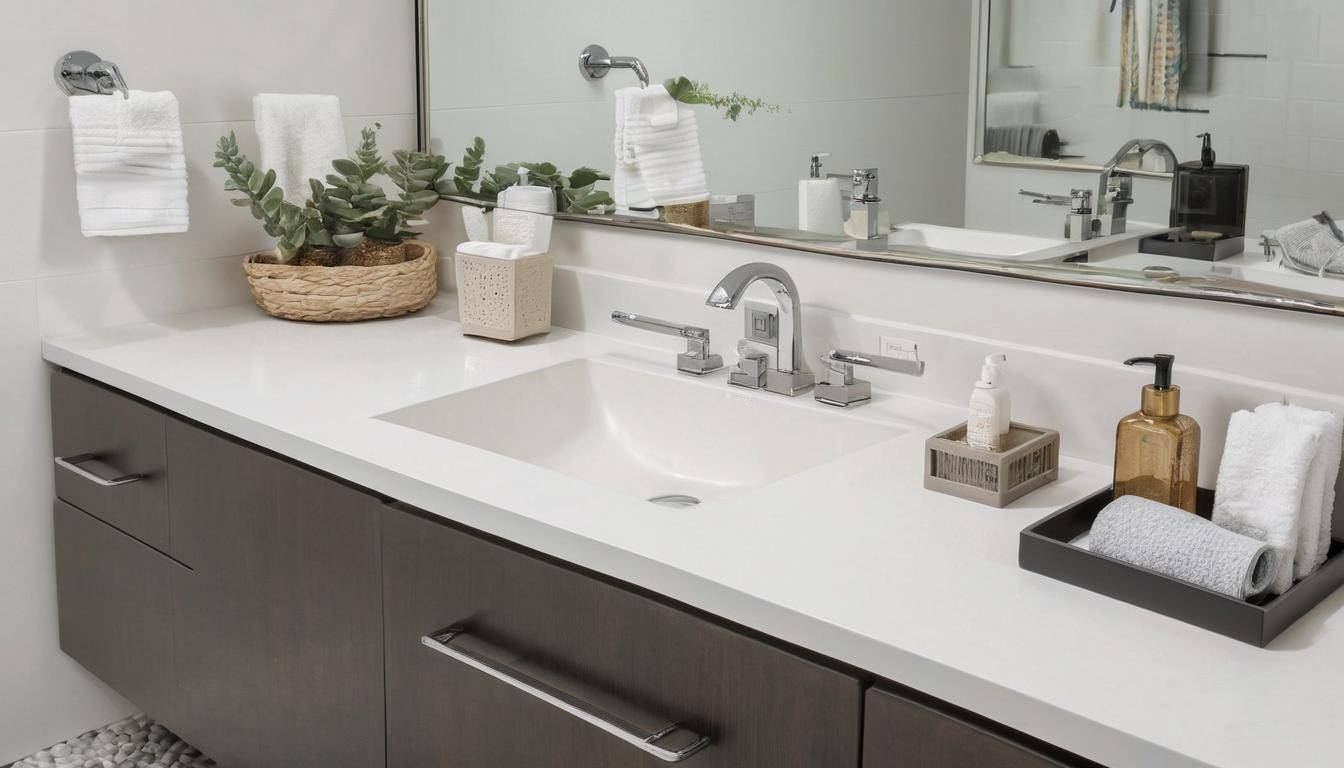
Selecting the right materials and fixtures can significantly impact the overall cost of your bathroom renovation project. Fortunately, with careful planning and savvy shopping, you can achieve a high-quality look without going over budget.
When it comes to tiles, sinks, and cabinets, shop smart by looking for bargains at discount warehouses, outlets, and online marketplaces. These venues often offer quality products at a fraction of the cost compared to traditional retailers. Keep an eye out for seasonal sales or clearance events to score even better deals.
For instance, discount warehouses may have surplus stock or discontinued items that are perfectly suitable for your renovation project at discounted prices. By being open-minded and flexible in your choices, you may stumble upon hidden gems that align with your vision and budget.
Additionally, consider opting for cost-effective materials such as porcelain tiles instead of natural stone. Porcelain tiles can provide the same elegant aesthetics as natural stone but at a more budget-friendly price point. Similarly, ready-to-assemble cabinets can be an economical choice, offering both functionality and style while reducing labor costs associated with custom-built cabinetry.
To further stretch your budget, leverage vendor discounts by signing up for newsletters from home improvement stores. These store newsletters often include exclusive discounts and special offers for subscribers, providing an opportunity to save on fixtures, fittings, or any other essentials for your bathroom renovation.
When considering vendor discounts, keep in mind that some home improvement stores may offer loyalty programs or promotional events that grant access to additional savings or benefits. Whether it’s a percentage-off promotion or a special clearance event, these opportunities can make a notable difference in your overall expenses when purchasing materials and fixtures.
By smartly shopping for affordable materials and leveraging vendor discounts, you can maintain quality while minimizing costs throughout your bathroom renovation project. These strategic approaches allow you to stay within budget without compromising on the aesthetic appeal and functionality of your newly renovated space.
As we’ve explored the strategies for cost-effective material selection, let’s now dive into the world of DIY plumbing and electrical work.
DIY Plumbing and Electrical Work
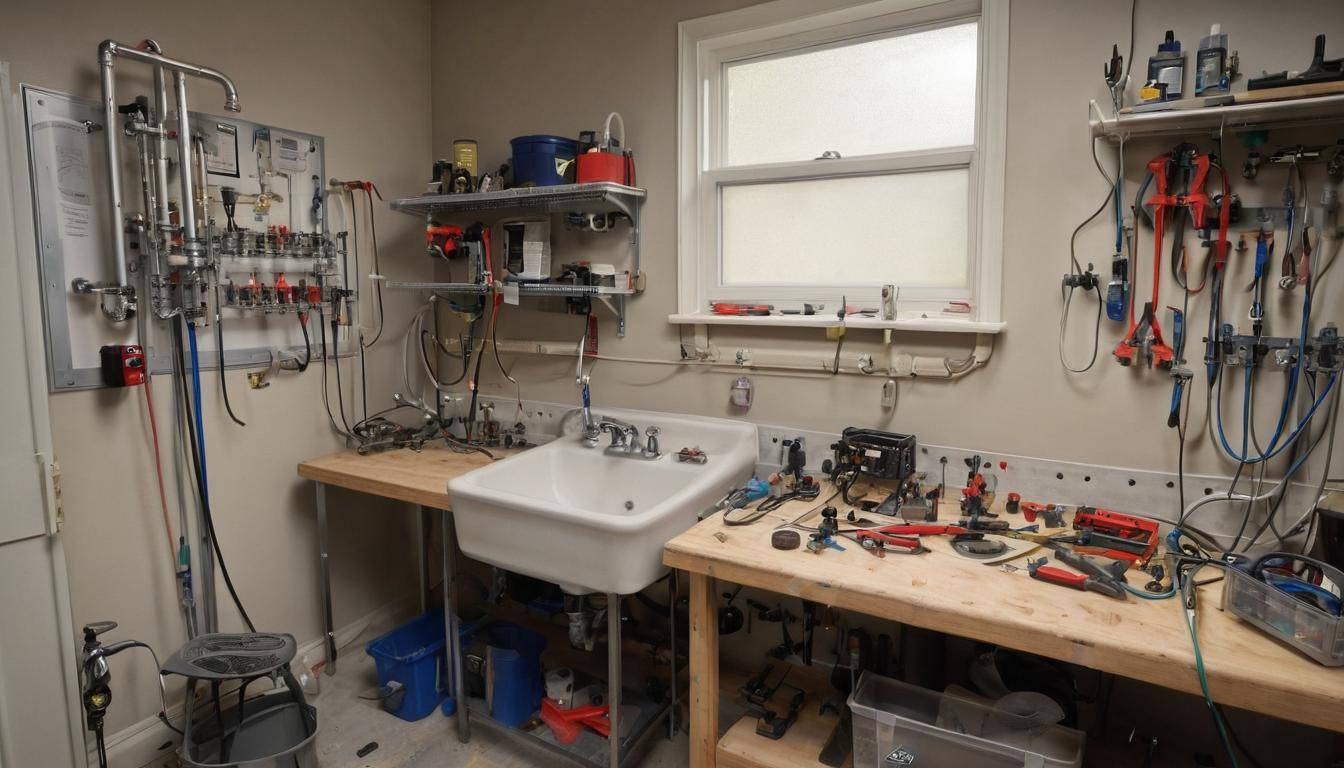
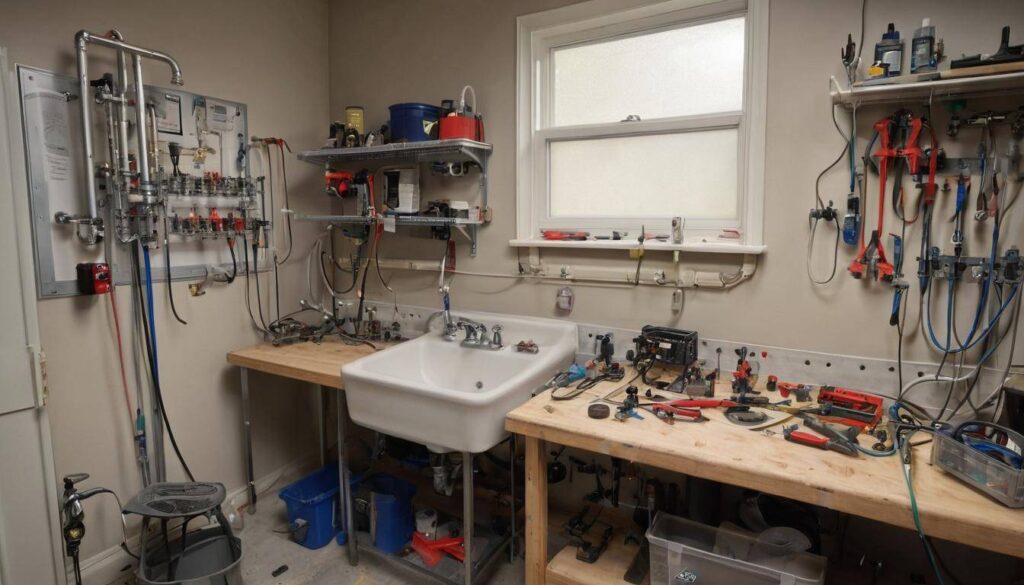
Undertaking a bathroom renovation often involves some level of plumbing and electrical work, which can seem daunting at first glance. However, with the right information and tools, many homeowners can successfully tackle basic tasks to cut down on renovation costs. It’s crucial to start by understanding your limits. While simple tasks such as replacing a faucet or unclogging a drain are within the scope of most DIYers, complex tasks such as moving pipes or wiring should be left to licensed professionals. A single mistake in complex plumbing or electrical work can result in costly damages or hazardous situations.
If you’re considering taking on basic plumbing tasks like replacing a faucet or unclogging a drain, it’s important to arm yourself with the right tools. Having pipe wrenches, pliers, sealant tape, and a basin wrench can make these jobs much more manageable. For electrical work, a voltage tester, wire stripper, and wire nuts will come in handy for various tasks. Additionally, investing in a good quality tool set will equip you for a range of potential projects.
Furthermore, safety should always be the top priority when working on plumbing and electrical systems. Before starting any work, remember to turn off the water supply for plumbing tasks and the power supply for electrical work. Following local codes and regulations is essential to ensure safety and compliance with legal requirements.
Imagine turning off the main water supply before attempting to replace a faucet to avoid any unexpected leaks. Similarly, switching off the electrical circuit breaker before rewiring a light fixture is imperative for your safety.
Remember, while taking on DIY plumbing and electrical work can be rewarding both financially and experientially, it’s crucial to know your limits, invest in the right tools, and prioritize safety throughout the process. This approach ensures that your bathroom renovation progresses smoothly and safely without compromising on the quality of the work.
With a solid foundation of plumbing and electrical considerations under our belt, let’s now turn our attention to an integral aspect of bathroom renovation—painting and tiling tips.
Painting and Tiling Tips
When revamping your bathroom, the colors you choose are crucial. They not only contribute to the overall aesthetic but also play a significant role in protecting your walls. Moisture-resistant paint is essential for bathrooms, given the high humidity levels. It’s designed to withstand the moist environment and prevent mold or mildew from forming. Furthermore, a semi-gloss or satin finish will resist moisture and offer easy cleanup, making it an ideal choice for bathroom walls.
Once you’ve selected the right paint, prep work becomes crucial. Properly cleaning your walls and repairing any imperfections before painting is essential for a polished end result. This includes checking for any cracks, uneven surfaces, or peeling paint that need to be addressed before proceeding. Applying a primer before painting is equally important as it helps the paint adhere better and provides a smoother finish.
When it comes to tiling, meticulous planning is fundamental before diving into the installation process. Laying out your tiles beforehand allows you to visualize how they will look once in place and make adjustments if necessary. Using tile spacers ensures that your tiles have even gaps between them, resulting in a professional-looking finish.
Moreover, applying grout sealer after tiling is an often overlooked yet critical step. The sealer enhances the durability of the grout, making it more resistant to staining and water infiltration. This can significantly prolong the lifespan of your newly tiled surfaces.
By carefully selecting the right materials and taking thorough preparations, you’re laying down the foundations for a successful painting and tiling job that will stand the test of time in your renovated bathroom.
Prepared with these invaluable tips on painting and tiling, you’re now ready to move on to optimizing space in your revamped bathroom through installing storage solutions.
Installing Storage Solutions
When renovating a bathroom, it’s crucial to ensure there’s ample storage for all your essentials without compromising on space or style. A well-thought-out storage plan can significantly enhance the functionality and aesthetics of your bathroom. Let’s explore some practical ideas for maximizing storage in your bathroom without breaking the bank.
Assess Your Storage Needs
The first step in installing storage solutions is to assess your specific storage needs. Take inventory of the items you need to store, such as towels, toiletries, cleaning supplies, and other bathroom essentials. Consider how much space each category of items requires and identify the most accessible and convenient locations for each type of storage. This thoughtful approach ensures that every item has a designated place, minimizing clutter and optimizing accessibility.
Utilize Vertical Space with Wall-Mounted Options
In small bathrooms where floor space is limited, wall-mounted storage solutions can be a game-changer. Consider installing shelves, cabinets, and towel racks that effectively utilize vertical space. Wall-mounted shelves are excellent for displaying decorative items or storing everyday necessities, while wall cabinets provide concealed storage for items that you’d rather keep out of sight. Additionally, towel racks with built-in shelves offer a dual-purpose solution for storing towels and toiletries within easy reach without sacrificing valuable floor space.
Embrace Multi-functional Furniture
Multi-functional furniture pieces can be a savior in compact bathrooms. Look for vanity units with integrated storage options that provide ample space for stowing away toiletries, cleaning products, and other essentials while serving as a stylish focal point in the room. Mirrored medicine cabinets are another versatile choice that combines additional storage with a reflective surface, conveniently merging form and function in one sleek design. By incorporating multi-functional furniture into your bathroom renovation, you can maximize storage capacity without compromising on style or usability.
By carefully assessing your storage needs and embracing space-saving solutions such as wall-mounted options and multi-functional furniture pieces, you can optimize the functionality and organization of your bathroom without exceeding your budget.
Next up, let’s consider how you can maximize the functionality of your bathroom during the renovation process.
Maximizing Functionality during Renovation
When refurbishing your bathroom, you want it to be both aesthetically pleasing and highly practical. Let’s dive into how you can design your bathroom layout to maximize every inch and ensure it’s well-lit for its various purposes.
Efficient Layout
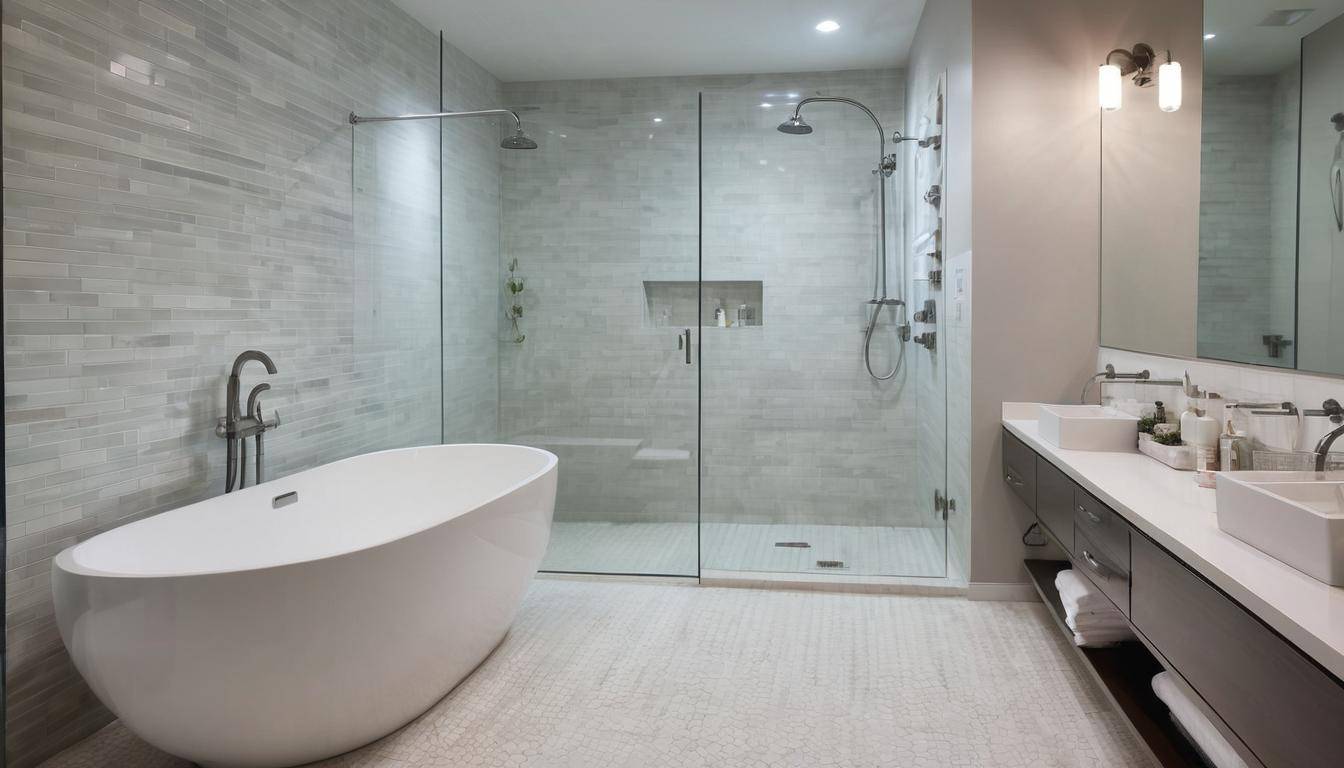
To make the most of the space, consider rearranging fixtures to enhance flow and convenience. For example, replacing a bulky bathtub with a streamlined walk-in shower not only modernizes the room but also creates additional square footage. This can make smaller bathrooms feel more spacious, offering greater flexibility in maneuverability and storage options. Every fixture and element should contribute to efficient space utilization without sacrificing comfort and style.
Additionally, think about implementing a water closet or a separate area for the toilet, especially in shared or larger bathrooms. This allows for privacy and enhanced usability, making a notable difference in the practicality and flexibility of your space.
Lighting
Good lighting is vital in any room, but especially in the bathroom where tasks like applying makeup or shaving require proper illumination. Planning for a combination of ambient, task, and accent lighting will help create a versatile and functional environment. Ambient lighting sets the overall mood and brightness in the room, task lighting involves spotlights over areas where specific tasks are performed (like over the mirror), while accent lighting adds drama and highlights architectural features or artwork.
Consider integrating dimmer switches that allow you to adjust the brightness according to different needs throughout the day. This can be particularly useful during nighttime visits when you don’t want bright lights to interfere with your sleepiness.
Ventilation
Proper ventilation is often overlooked but is crucial for maintaining a healthy bathroom environment. Installing or upgrading exhaust fans is a simple yet effective way to prevent moisture buildup, which can lead to mold and mildew. This can also help in preventing issues such as peeling paint or wallpaper, warped cabinetry, and musty odors resulting from excess moisture accumulation.
These small upgrades aren’t just about convenience – they actively contribute to creating a more comfortable and healthy living space in your home.
Moving forward from maximizing functionality in your renovated bathroom, let’s now explore how adding those finishing touches can elevate its overall appeal.
Adding Finishing Touches
As you near the final stages of your bathroom renovation, it’s time to focus on the small details that can make a big impact. These finishing touches can elevate the overall look and feel of your remodeled bathroom, giving it that inviting and cohesive atmosphere you’re aiming for.
Fixtures and Hardware
Updating the fixtures and hardware in your bathroom can make a significant difference in tying the overall design together. Consider replacing outdated drawer pulls, faucets, shower fittings, and light fixtures with modern, stylish options that complement the theme of your renovated bathroom. Opting for cohesive finishes across all hardware elements, such as brushed nickel or matte black, can create a unified and polished look throughout the space. The right fixtures and hardware can act as the perfect finishing touch, adding a touch of elegance and cohesiveness to your bathroom design.
Decorative Elements
Integrating decorative elements into your bathroom design can infuse personality and warmth into the space. Items such as plants, framed artwork, or decorative mirrors can serve as focal points that draw the eye and add character to the room. When selecting decorative pieces, consider how they complement the color scheme and style of the space. For instance, indoor plants can introduce natural elements and vibrant pops of color, while carefully chosen artwork or mirrors can create visual interest and reflect light, making the space feel more open.
Furthermore, utilizing decorative mirrors strategically can contribute to both function and aesthetics in the bathroom. A well-placed mirror not only serves practical purposes but also enhances the visual appeal of the space by reflecting light and creating an illusion of spaciousness.
Soft Furnishings
Choosing quality soft furnishings is another crucial aspect of adding finishing touches to your renovated bathroom. High-quality towels, shower curtains, bath mats, and other textiles should be selected to align with your design theme and color palette. Coordinating these soft furnishings with your chosen style can elevate the overall aesthetic harmony of the space, providing a sense of cohesion and luxury.
Incorporating these various elements in thoughtful ways will allow you to add those essential finishing touches that truly reflect your personal style while enhancing both the visual appeal and functionality of your newly renovated bathroom.
As you add these final details to your newly transformed bathroom, envision how each element contributes to creating a stylish and functional sanctuary within your home.