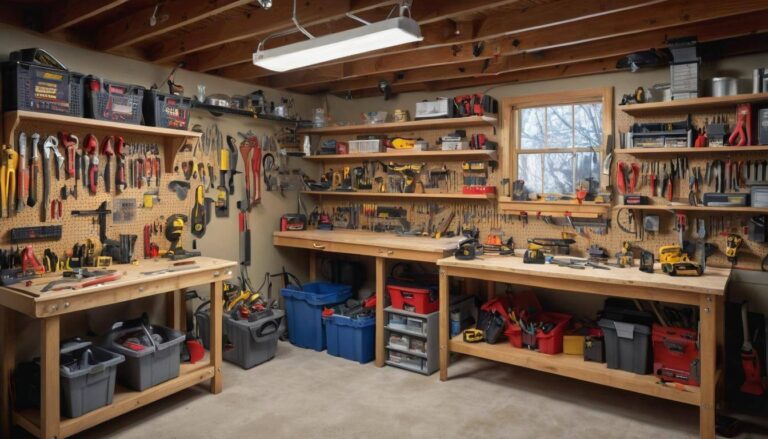
Basement Finishing Tips Expert Advice for a Successful Renovation
Renovating your basement might seem daunting, especially when considering the potential for budget overruns and compliance headaches. However, thorough planning can help you navigate these challenges successfully. Imagine having each step of your project mapped out – from deciding the primary use of your space to nailing down specific budget allocations for each phase. It’s all about minimizing uncertainty and maximizing efficiency..
By focusing on critical areas such as purpose definition and precise budgeting, you not only streamline your renovation process but also reduce stress and unforeseen costs. Surprisingly, even minor misjudgments in initial plans can ripple through to significant delays or extra expenses later – a lesson grounded in more than mere theory. This crucial first step ensures that every dollar and hour spent brings you closer to the perfect finished basement.
Our article provides authoritative tips for finishing a basement, including insulating exterior walls, using proper lighting, addressing moisture issues, and creating designated zones for various purposes. These tips will help you transform your basement into a comfortable and versatile living area.
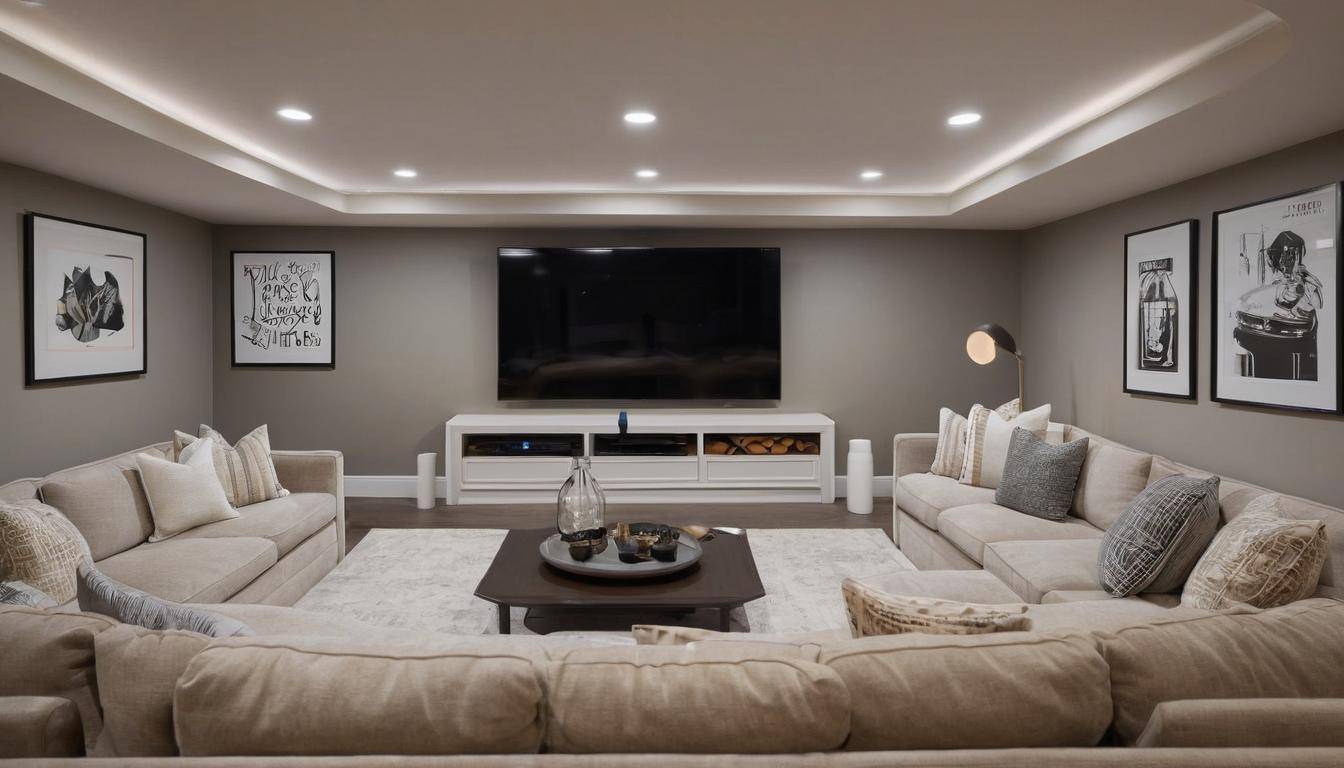
Planning and Budgeting Your Basement Project
Deciding to finish a basement is an exciting prospect. Before you begin, determining your purpose for the space is vital. Are you looking to create a cozy home theater, convert it into a comfortable guest suite, or perhaps establish a productive home office? Each purpose will guide specific design choices and directly impact your budget. By defining your basement’s primary use from the get-go, you lay the foundation for every further decision you will need to make about the project.
For instance, a home theater might demand soundproofing materials and specialized light fixtures. Conversely, a home office would likely require good lighting and ample power outlets. Each choice adds up in terms of cost, so this initial decision is pivotal in charting your renovation trajectory.
In line with this consideration, it is necessary to allocate funds sensibly within your budget. Structural work generally accounts for 40% of the budget, followed by 30% for finishing materials, 20% for labor costs, and 10% for a contingency fund. It’s important to keep these figures in mind as you work through your plans so that everything stays within the realms of feasibility.
Let’s say that on average, a basement renovation can range from $10,000 to $30,000 depending on the scale and complexity of the project. By understanding these broad estimates and breaking down expenses according to different categories, you are better prepared when discussing costs with contractors and suppliers, thus ensuring transparency from start to finish.
This process is quite similar to constructing a house; setting a foundation before building makes everything smoother later on. By planning realistically and allocating funds properly, you can avoid major disruptions caused by budget issues during the actual renovation.
While having an idea of what you want to do with your space and being aware of the estimated costs are important starting points, getting started efficiently involves seeking quotes from reputable contractors and creating a timeline that aligns with your goals.
Embarking on your basement renovation journey requires thoughtful consideration and strategic planning. In the next section, we will dive into understanding local building codes to ensure that your renovation meets all necessary regulations and standards.
Understanding Local Building Codes
Often, homeowners overlook the critical step of understanding and following local building codes before starting a basement finishing project. However, failing to comply with these regulations could result in serious consequences, including costly fines or having to redo work that doesn’t meet code requirements. The regulations exist to ensure safety and habitability of living spaces while safeguarding against potential hazards and structural defects.
To avoid issues down the road, it’s essential to research and understand the specific requirements set forth by your local municipality. These commonly include factors such as the minimum ceiling height, egress window specifications, electrical wiring standards, and fire safety regulations. For instance, local regulations may require a minimum ceiling height of at least 7 feet for a livable area. Additionally, egress windows play a crucial role in creating an emergency escape route and ensuring compliance with building codes. By familiarizing yourself with these details early on, you’ll be better equipped to plan your renovation effectively while avoiding any surprises during inspection.
Let’s say you’re planning to create a cozy bedroom in your basement. Did you know that there are specific size requirements for egress windows if you want to designate this space as a bedroom? According to building codes, a basement bedroom must have an egress window with at least 5.7 square feet of clear opening to provide occupants with a viable escape route in the event of an emergency.
While it’s possible to navigate the intricacies of local building codes independently, hiring a professional can offer peace of mind and ensure that your project aligns with all applicable regulations.
Hiring a Professional
Bringing a licensed contractor or architect on board who has a comprehensive understanding of local codes can prove invaluable. Not only can they help save you precious time by navigating the complex web of regulations, but they also play an instrumental role in ensuring compliance—ultimately reducing the risk of costly rework or potential fines.
In addition to their expertise in interpreting and applying building codes, professionals are well-versed in creating detailed plans that satisfy regulatory requirements. This might involve developing thorough drawings of electrical layouts, plumbing systems, and any structural modifications planned for your basement renovation. Moreover, having an experienced professional submit these plans for approval streamlines the process and increases the likelihood of swift authorization from the relevant authorities.
By enlisting the support of a knowledgeable professional and proactively researching local building codes before embarking on your basement renovation journey, you’re laying a solid foundation for success while mitigating the risk of setbacks and non-compliance issues.
Effective Insulation Techniques
When it comes to insulating your basement, you want to ensure that you’re doing it right to maximize energy savings and create a comfortable living space. Various types of insulation materials are available, each with its own unique properties and benefits, so it’s important to choose the right one for your specific needs.
Types of Insulation Materials
Fiberglass batts, spray foam, and rigid foam are common insulation options for basement renovations. Fiberglass is cost-effective and offers good thermal performance. Spray foam insulation provides excellent air sealing and adhesion, effectively preventing air leakage. It’s especially beneficial in sealing gaps and hard-to-reach areas. On the other hand, rigid foam insulation offers resistance to moisture, making it suitable for basement environments where moisture control is paramount.
Considering factors such as the basement’s moisture levels, the climate in your area, installation space, and the desired thermal resistance (R-value) will help you choose the right type of insulation material to achieve optimal energy efficiency.
Sealing Rim Joists
Rim joists are notorious for being sources of unwanted air infiltration and energy loss in a home. Using rigid foam boards cut to fit, along with spray foam to seal the edges, effectively prevents both energy loss and moisture infiltration through this vulnerable area of your home’s exterior envelope.
Properly sealing rim joists enhances energy efficiency, mitigates potential moisture issues leading to mold growth, and contributes significantly to maintaining a more consistent temperature within your basement living space.
Use of Vapor Barriers
Traditionally used vapor barriers are being replaced by breathable membranes due to advancements in building science. Unlike vapor barriers that restrict the movement of moisture, breathable membranes allow moisture to pass through more freely while still providing effective air sealing.
The use of breathable membranes reduces the risk of trapped moisture leading to mold growth and structural damage. Properly installed breathable membranes contribute to long-term stability by allowing excess moisture to escape from the building assembly without causing any harm.
Inspecting Workmanship
Once the insulation is installed, it’s crucial to inspect the work thoroughly to ensure that it has been implemented correctly. Proper installation plays a critical role in the effectiveness of insulation. For fibrous insulation like fiberglass batts, it’s important to check for gaps or compressed areas that can compromise its thermal performance.
In the case of spray foam insulation, paying attention to coverage and ensuring that seams and joints are adequately covered is essential. Any gaps or improper coverage can impact both thermal performance and air sealing capabilities.
Effectively insulating your basement involves carefully selecting the right materials, sealing vulnerable areas, adopting modern strategies such as using breathable membranes instead of traditional vapor barriers, and meticulous inspection of workmanship. These steps collectively contribute to creating an efficient, comfortable, and healthy living environment while helping you save on energy costs over time.
With a well-insulated basement in place, the next crucial decision is choosing the right flooring that complements your renovated space seamlessly. Let’s dive into expert advice on “Choosing the Right Basement Flooring”.
Choosing the Right Basement Flooring
Basement flooring is pivotal in your renovation project. Given the unique basement environment, with its susceptibility to moisture and temperature fluctuations, it’s essential to select flooring that can endure these challenges. Not all floors are created equal; what works in your living room may not thrive in your basement. Let’s explore some vital considerations you need to keep in mind when selecting the right flooring for your basement.
Assessing Moisture Levels
Before anything else, you need to know what you’re dealing with. Too much moisture can cause significant damage to your flooring over time.
One way to check moisture levels is by using a moisture meter specially designed for concrete floors. These devices determine if there is excess moisture present, which could indicate potential problems in the future. If high moisture levels are detected, especially on a concrete floor, it’s crucial to take preventive action by installing a vapor barrier first before proceeding with any kind of flooring installation. This barrier will help protect your new flooring from any moisture that might seep through the concrete slab.
Considering Flooring Types
When choosing the type of flooring for your basement, it’s important to consider both functionality and aesthetics. Luxury vinyl tile (LVT) is an excellent choice due to its waterproof nature and durability. It comes in various colors and prints, allowing you to achieve different looks without sacrificing performance.
Another popular option is cork flooring, offering warmth and sound absorption, making it perfect for creating a cozy atmosphere in living spaces. However, it’s important to avoid natural hardwood due to its susceptibility to moisture. Hardwood tends to warp and buckle when exposed to damp conditions, which makes it an unsuitable choice for basement environments.
Installation of a Subfloor
In many cases, it’s advisable to install a subfloor system in basements—especially when considering rigid flooring options. Products like DriCore provide an effective subfloor solution that raises the floor slightly above the concrete surface, providing insulation and an added layer of protection against moisture.
Long-lasting Adhesives
Moisture-resistant adhesives are a must if your chosen flooring type requires adhesion to the subfloor. Using these adhesives helps prevent issues such as lifting or warping over time, ensuring that your basement flooring remains stable and intact.
By carefully assessing moisture levels, considering suitable flooring types, using proper installation techniques like subflooring systems, and choosing long-lasting adhesives where needed, you can ensure that your basement flooring not only looks great but also stands the test of time in this unique environment.
Installing Energy-Efficient Lighting

Basements are often associated with low light and a dreary atmosphere, but with the right lighting setup, you can transform this space into a warm and welcoming area for various activities. When it comes to basement lighting, energy efficiency should be a top priority—for cost savings and environmental considerations.
LED (Light Emitting Diode) bulbs are an excellent choice for basement lighting due to their longevity and low energy consumption. Compared to traditional incandescent bulbs, LED bulbs produce less heat and come in various color temperatures, allowing you to customize the ambiance of your basement. Switching to LED bulbs can significantly reduce your energy costs while providing bright and efficient lighting.
For instance, if you plan to use your basement for a variety of purposes such as a home office, entertainment area, or workout space, it’s essential to have adaptable lighting. Using layered lighting techniques can help accomplish this. Ambient ceiling fixtures provide overall illumination, task lighting like under-cabinet or desk lamps offer focused light for specific activities, and accent lighting such as wall sconces can add aesthetic appeal to the space. By combining these three types of lighting, you can create a versatile and well-lit environment that suits your needs.
Moreover, installing dimmer switches is another smart strategy for achieving energy-efficient lighting. Dimmer switches not only allow you to adjust the brightness of your lights based on the activity or time of day but also contribute to energy savings.
In areas of limited use or frequent entrance and exits, motion sensor-activated lights can be incredibly convenient and energy-efficient. Consider using motion sensors in spaces like laundry rooms and closets where hands-free illumination enhances convenience and helps conserve energy by ensuring that lights are only on when needed.
By implementing these energy-efficient lighting solutions in your basement renovation project, you not only create a beautifully illuminated space perfect for various activities but also contribute to reduced energy consumption and cost savings over time.
Now that we’ve shed light on energy-efficient lighting, let’s pivot to addressing another crucial aspect of basement renovation—waterproofing and moisture control.
Waterproofing and Moisture Control
When it comes to finishing your basement, ensuring that it stays dry is absolutely critical. Moisture can lead to mold, mildew, and structural damage, jeopardizing all the hard work and investment put into renovating your basement. Let’s explore the key strategies for waterproofing and controlling moisture in your basement to protect your investment and keep the space healthy.
Let’s start by discussing exterior solutions. Properly directing water away from your home is the first line of defense against moisture infiltration. Ensuring that downspouts extend at least 5-10 feet from the foundation can effectively prevent water from seeping into the basement. In addition, grading around your home plays a crucial role in diverting water flow away from the foundation. By sloping the soil away from the house, you create a natural pathway for water to drain away, reducing the risk of water entering your basement.
Moving on to interior solutions, which include applying waterproof coatings to basement walls and floors. These coatings act as a barrier, preventing moisture from penetrating through concrete or masonry. Epoxy or urethane sealants are also essential in inhibiting water intrusion. Unlike regular paint, these sealants deeply penetrate concrete pores, providing lasting protection against moisture.
Sump Pumps and Drainage
Another vital aspect of moisture control is installing a sump pump. This device removes accumulated water from the sump pit within your basement, preventing water buildup that could lead to flooding. Considering the installation of a perimeter drainage system can effectively manage groundwater by redirecting it away from the foundation.
The next step in moisture control involves using dehumidifiers to maintain optimal humidity levels in the basement. By keeping humidity below 60%, you can effectively prevent the growth of mold and mildew. Mold not only damages surfaces but also poses health risks to you and your family. Therefore, implementing comprehensive moisture control measures is indispensable in maintaining a safe and healthy living environment in your renovated basement.
By understanding and implementing these essential steps for waterproofing and moisture control, you lay a strong foundation for a successful basement renovation. Now, let’s turn our attention to exploring creative design ideas to transform your basement into a functional and inviting space.
Creative Basement Design Ideas
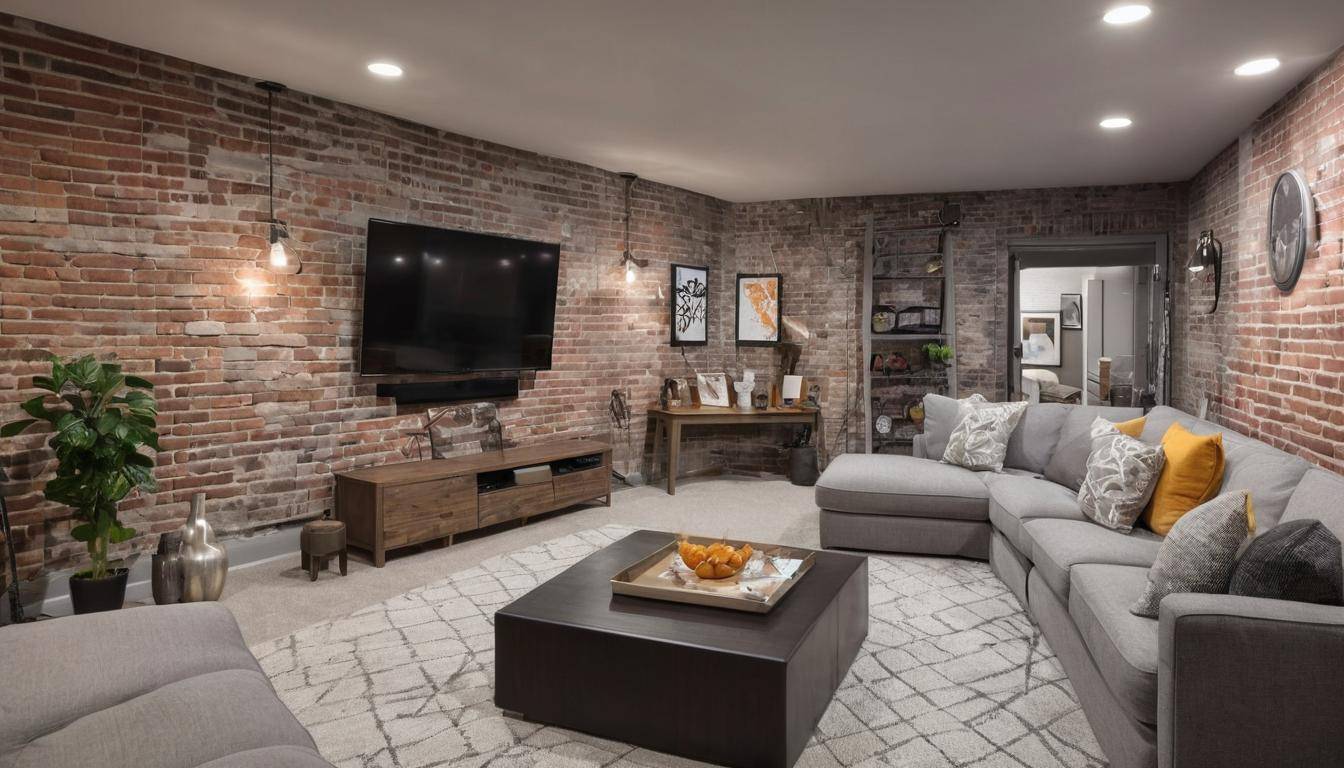
Designing your basement can be truly exciting. It offers the opportunity for you to transform this often underutilized area into a multi-functional space that suits your family’s unique needs. Let’s explore some creative design tips that can help you make the most of your basement renovation.
Multi-functional Spaces
One of the best ways to make the most of your basement is to create designated zones for different activities. For example, you could designate a corner for gaming, an area for exercise, and a small wet bar for entertaining. To define these spaces, consider using furniture arrangements or partial walls. This allows for distinct areas without the need for permanent or full walls, maintaining an open and flexible layout while creating defined functional zones.
Built-In Storage
Basements are often cluttered with items that don’t have a dedicated storage space. Built-in shelves, cabinets, and under-stair storage are essential for organizing your belongings and reducing clutter. By integrating these storage solutions into the design of your basement, you can free up valuable floor space and create a more streamlined and organized environment.
Light and Bright Colors
In basements where natural light is typically lacking, it’s essential to use colors that make the space feel more open and inviting. Opt for light colors on the walls and ceilings to brighten up the area. Mirrors strategically placed in the space can also help reflect light and enhance the overall spaciousness of the basement, making it feel more enjoyable and less claustrophobic.
Unique Features
Basements provide a unique canvas for incorporating special features that cater to your interests and lifestyle. Consider adding a home theater for family movie nights, transforming a section of your basement into a home wine cellar, or even creating an indoor garden area with plenty of greenery. Personalizing the space with unique features not only enhances its functionality but also adds character and personality to your basement.
With these creative design ideas in mind, you’re well on your way to making your basement an enjoyable and personalized extension of your home.
As we wrap up our insights into optimizing your basement space, let’s now turn our attention to adding those final touches that transform a good space into an exceptional one.
Essential Finishing Touches
As your basement renovation nears completion, it’s crucial to focus on the finer details that will bring the entire project together. These essential finishing touches are not just about aesthetics, but they also contribute to the functionality and comfort of the space. Let’s start with one of the most important aspects—baseboards and trim.
Baseboards and Trim
Good trim work can make all the difference in the world. It’s like adding a perfect frame to a beautiful picture. Not only does it provide a polished and finished look to the room, but it also serves a practical purpose by hiding the joint between the wall and the flooring, protecting the wall, and adding an extra layer of insulation. When choosing styles, opt for ones that complement the overall decor of your basement. By harmonizing elements like color and style, you can create a cohesive visual flow throughout the space.
Next, let’s talk about flooring transitions.
Flooring Transitions
When different types of flooring meet, you want to ensure a seamless transition. This is where transition strips come into play. They not only provide a clean finish but also serve as a safety measure to prevent tripping hazards. Choosing transition strips that properly match and join different flooring materials ensures not only a smooth visual transition but also a physically smooth surface. This can be especially important when transitioning from hard flooring such as tile or hardwood to carpeted areas.
Installing transition strips is like creating a smooth segue between two parts of a song. It ensures that the changeover is seamless, without any jarring interruption.
Moving on to paint accents, here’s an idea worth considering.
Paint Accents
Paint can be a powerful tool in interior design. Adding accent walls or using bold colors for specific features can create focal points within your basement. This not only draws attention to certain architectural elements but also adds personality and depth to the space. Whether it’s a vibrant accent wall behind a built-in entertainment unit or a textured finish on a fireplace facade, these elements can become standout features that elevate the overall ambiance of the room.
Remember, incorporating bold colors doesn’t mean painting every wall neon green! Subtle pops of color can be just as effective in creating visual interest without overwhelming the space.
Finally, let’s consider soft furnishings.
Soft Furnishings
Soft furnishings such as area rugs, cushions, and curtains play an important role in adding warmth and comfort to your basement. Given that basements tend to have limited natural light and can feel cooler than upper levels of the house, these cozy accents can transform the space into an inviting retreat. Area rugs provide insulation against cold floors while adding texture and color. Cushions and curtains soften hard surfaces and add layers to your design scheme, making your basement feel cozy and welcoming.
These essential finishing touches may seem small compared to the large-scale renovations you’ve completed, but they are what truly transform your newly renovated basement into a comfortable living space.
Congratulations on taking this remarkable journey of renovating your basement! With these key finishing touches, may your basement soon evolve into a warm and inviting part of your home.