Sustainable Building Materials The Eco-Friendly Choice for Green Construction
In an era where every construction choice casts a long shadow on our planet, knowing which sustainable building materials genuinely stand up to their eco-friendly claims becomes paramount. As architects grappling with varying quality standards and misleading sustainability claims, finding reliable information on such materials isn’t just important—it is essential for maintaining both professional integrity and environmental values.
Delving into bamboo’s rapid renewability and hempcrete’s carbon absorption qualities reveals why these materials don’t just save resources but also contribute positively to the ecosystem. This article brings together rigorous research and expert insights to guide you through understanding not only the benefits but also addressing common fears of hidden costs and performance doubts. Welcome to a deep dive into sustainable building practices that promise both environmental harmony and cost-effectiveness.
Sustainable building materials include bamboo, which is lightweight, strong, and renewable; hempcrete, known for its insulating properties and durability; and recycled steel, a durable and fire-resistant option that can be endlessly recycled without losing strength.
Overview of Sustainable Building Materials
Sustainable building materials form the bedrock of environmentally responsible construction practices. By meticulously assessing the lifecycle environmental impact of materials, builders can significantly diminish resource consumption and emissions while heightening energy efficiency, playing a pivotal role in minimizing carbon footprints, thus fostering a healthier planet.
One prime example of a sustainable building material is bamboo. This renewable resource offers exceptional strength, flexibility, and lightness, making it a versatile choice for various construction elements. Compared to traditional hardwoods, bamboo has a much shorter growth cycle and can be harvested without causing significant environmental harm. Its rapid regrowth makes it an attractive alternative to slow-growing trees typically used for construction.
Another noteworthy sustainable material is recycled steel. Not only is it incredibly durable and fire-resistant, but its high recyclability rate allows it to be reused endlessly without losing its structural strength. This recycling capability greatly minimizes the demand for new raw materials and helps reduce the amount of waste sent to landfills.
When discussing sustainable building materials, we can’t overlook hempcrete either. Made from hemp stalks, this material boasts excellent insulating properties and durability. It effectively regulates indoor temperature, reducing the need for excessive heating or cooling, while actively sequestering carbon dioxide during its production—an exemplary showcase of innovative materials enhancing building performance and reducing environmental impact.
Furthermore, reclaimed wood is gaining popularity for its ability to add character and warmth to structures while significantly reducing the need for new lumber. Sourced from old buildings, it provides a distinct charm while promoting sustainability by preventing perfectly good materials from going to waste.
Additionally, rammed earth uses natural resources like soil, clay, and sand to create energy-efficient structures with exceptional thermal mass. Over time, rammed earth has proven to be an enduring choice that effectively moderates indoor temperatures, sharply reducing the need for external heating or cooling systems.
In essence, these examples merely scratch the surface of the wealth of sustainable building materials available for environmentally conscious construction. Each material brings its own set of advantages, with the collective goal of shaping buildings that are both sensitive to environmental concerns and conducive to the health and wellbeing of their occupants.
These examples serve as just a glimpse into the world of sustainable building materials. Now let’s dive into specific examples such as bamboo and hempcrete to understand their contribution to green construction.
Renewable Resources: Bamboo and Hempcrete
Imagine a plant that grows so fast you can almost see it reaching for the sky. This is bamboo. Not only is it one of the fastest-growing plants on earth, but it’s also incredibly versatile, making it an important renewable resource for sustainable construction.
Bamboo is no ordinary grass—it’s an engineering marvel. It matures in just 3 to 5 years, making it highly renewable compared to traditional wood sources. Because of its rapid growth, using bamboo instead of hardwoods reduces pressure on forests and promotes sustainability. In addition to being sustainable, bamboo boasts impressive strength, often exceeding that of many hardwoods. Its natural flexibility makes it an ideal material for construction, able to withstand significant stresses without losing its shape or structural integrity.
Moreover, bamboo has remarkable resistance to pests and molds due to its natural antimicrobial properties. This makes it not only durable but also a safer choice for construction. Throughout Southeast Asia, where bamboo has been in use for centuries, its durability and cost-effectiveness have made it indispensable for building homes, bridges, and even scaffolding.
Moving on to Hempcrete, we encounter another fascinating sustainable material. Hemp fibers mixed with lime create a composite known as Hempcrete. Thanks to the lightweight nature of the hemp fibers, working with Hempcrete is easier compared to conventional concrete, contributing to overall construction efficiency.
Beyond its ease of use, Hempcrete boasts outstanding insulation properties, making it an excellent choice for maintaining comfortable indoor temperatures while reducing energy consumption. Furthermore, this remarkable material is fire-resistant, adding an additional layer of safety benefiting both the environment and the inhabitants of the structure.
One particularly fascinating aspect of Hempcrete is its ability to absorb carbon dioxide throughout its life cycle, thus actively contributing to the reduction of greenhouse gases—a critical factor in combating climate change.
By exploring these renewable resources like bamboo and hempcrete, we can clearly see how they offer innovative and eco-friendly solutions for sustainable construction practices. Their unique properties not only make them durable and reliable construction materials but also help reduce environmental impact.
Each renewable resource brings its own set of benefits to sustainable construction practices. Now, let’s shift our focus to another essential element—recycled metals like steel and aluminum.
Recycled Metals: Steel and Aluminum
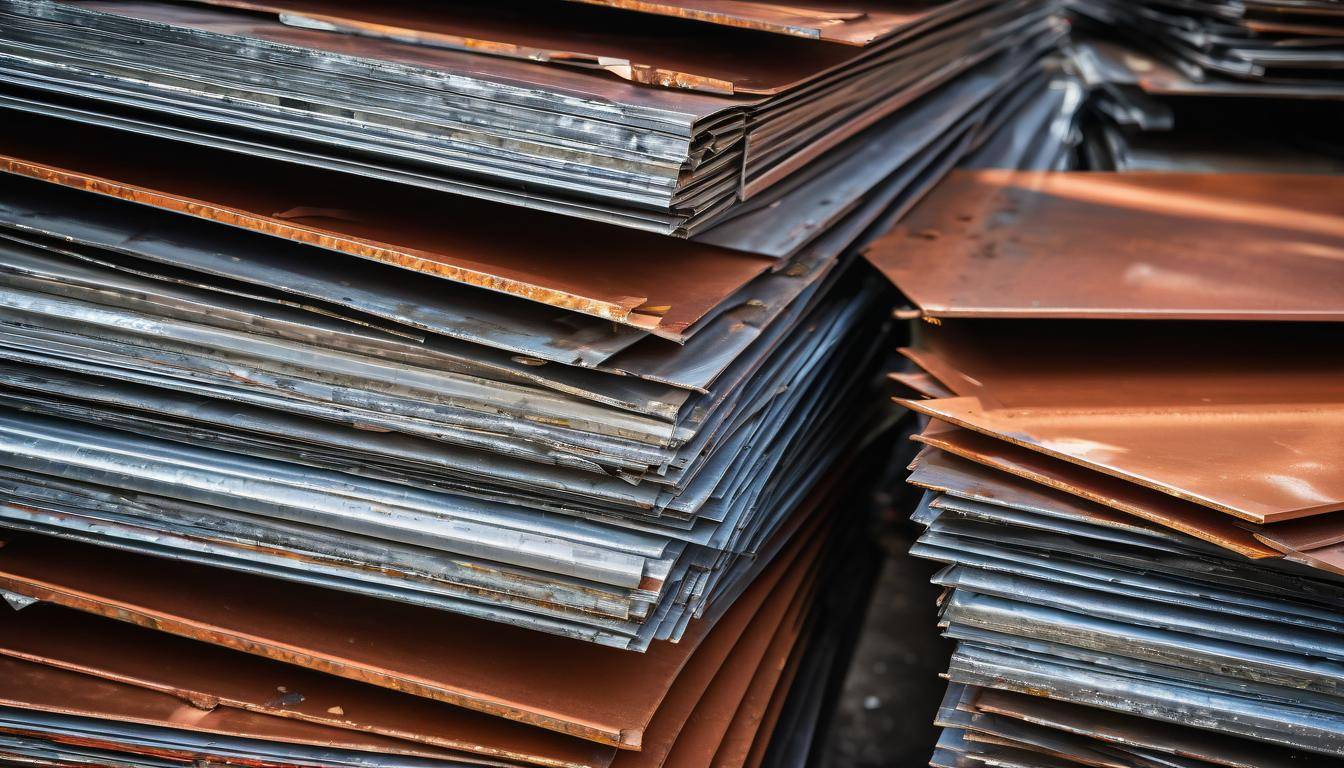
When thinking of recycling, the focus often shifts to paper, plastics, and glass. However, metal recycling plays a pivotal role in sustainable construction. Leveraging recycled metals such as steel and aluminum in construction not only saves considerable energy but also reduces the necessity for mining raw materials, generating a significant positive impact on the environment.
Recycled steel holds a key position in green construction due to its enduring strength and durability even after undergoing the recycling process. It is highly coveted for various construction applications, from providing structural support to reinforcing concrete. Aluminum, renowned for its lightweight attributes and corrosion resistance, presents an optimal choice for windows, doors, and other structural components. Notably, aluminum can be recycled indefinitely without any loss in quality!
To fathom the remarkable environmental advantages of using recycled steel and aluminum, consider this: according to the Steel Recycling Institute, recycling steel conserves about 74% of the energy needed to produce it from raw materials. Similarly, recycled aluminum demands 95% less energy for production than primary aluminum, resulting in a substantial reduction in greenhouse gas emissions.
In addition to the substantial decrease in energy usage linked with recycling these metals, there exist numerous other compelling reasons to integrate them into sustainable building practices. For instance, utilizing recycled steel diminishes water consumption by 40% and reduces air pollution by 86%, as opposed to using raw materials.
Furthermore, utilizing recycled metals minimizes mining waste and conserves natural resources, aligning closely with the pursuit of eco-friendly construction practices. The use of recycled steel and aluminum offers an array of environmental benefits along with practical advantages such as cost-effectiveness and structural integrity. By integrating these sustainable materials into building projects, builders can contribute to a more environmentally responsible construction industry that conserves resources and reduces emissions.
Now that we’ve explored the valuable role of recycled metals in green construction, let’s shift our focus to another innovative sustainable building material option.
Reclaimed Wood in Modern Construction

Imagine walking into a room and noticing the beautiful wooden beams above you. Each beam tells a story – it might have been part of an old barn that sheltered horses, or perhaps it supported the roof of a historic building from a bygone era. That’s the charm of reclaimed wood – it’s more than just a building material; it’s a piece of history with its own character and tale to tell.
Reclaimed wood comes from a variety of sources, such as old barns, warehouses, and industrial buildings. When we talk about using reclaimed wood, we’re not just reducing deforestation by sparing new trees; we’re also giving the wood a second chance to shine, showcasing its unique textures and patterns that have developed over time. This not only adds elegance to a space but also connects it with the past – a link to history standing right there in your living room.
The environmental impact of reusing old wood is substantial. By diverting this wood from landfills, we decrease environmental degradation while obtaining sustainable building materials. What was once discarded as waste now takes on new life as charming flooring, timeless beams, or captivating decorative elements for modern homes and structures.
Using reclaimed wood reduces carbon emissions by an estimated 40-60% compared to using new timber. Its longer lifespan and potential for repurposing further contribute to sustainability in construction.
There are numerous examples of the stunning ways reclaimed wood has been used in construction projects. From stylish flooring to striking feature walls and ceiling trusses, the versatility and aesthetic appeal of reclaimed wood are undeniable. It’s not just about creating environmentally responsible structures, but also incorporating a piece of history into modern design.
It’s important to recognize that while reclaimed wood is celebrated for its cultural and aesthetic value, its benefits extend far beyond mere appearances. Its use significantly contributes to conservation efforts and the preservation of natural ecosystems vital for our planet’s health.
With its rich history, reduced environmental impact, and numerous design possibilities, reclaimed wood stands as a testament to sustainable practices in modern construction.
Now let’s dive into innovative materials that are shaping the landscape of sustainable construction—materials that go beyond conventional choices to provide both environmental advantages and structural integrity.
Innovative Materials: Rammed Earth and Cork
When it comes to sustainable building materials, we need to look beyond the traditional options. Rammed earth may sound like an ancient technique, and that’s because it is. But did you know that it’s gaining popularity again for its eco-friendly properties? This construction method doesn’t rely on resource-intensive manufacturing processes; instead, it uses natural materials such as soil, clay, and sand, compressed together to form walls, creating a sturdy and durable structure.
But what makes rammed earth so appealing from a sustainability perspective? One significant benefit is the excellent thermal mass it provides. Thermal mass is crucial for regulating indoor temperatures, which can make homes more energy-efficient. The dense walls help absorb heat during the day and release it at night, reducing the need for excessive heating or cooling systems. This simple yet effective method aligns with the principles of sustainable design by minimizing the reliance on artificial climate control. In addition, the raw materials used in rammed earth construction are abundant and readily available, often sourced locally, reducing transportation-related emissions.
Now let’s shift our focus to another innovative material that’s making waves in sustainable construction: cork.
Derived from the bark of cork oak trees, cork has long been prized for its versatility and eco-friendly nature. The process of harvesting cork is unique; it involves carefully removing the bark from the tree every 9-12 years without causing harm. This sustainable practice allows the tree to continue thriving and regenerating its bark, making cork a replenishable resource.
Beyond its renewability, cork offers a compelling array of properties that make it an attractive choice for green construction. Its natural fire-resistant qualities provide an added layer of safety, especially in building applications where fire protection is a priority. Furthermore, its hypoallergenic characteristics make it suitable for interior spaces, contributing to healthier living environments. Cork’s buoyancy and elasticity also make it ideal for applications beyond flooring—such as wall panels—and even as a core material in composite products.
One of the most noteworthy features of cork is its exceptional insulating properties. It serves as an effective barrier against temperature transfer, making it suitable for acoustic and thermal insulation purposes. Its lightweight nature further enhances its appeal in various construction applications while reducing overall structural weight. By integrating cork into building designs, architects and developers can harness its remarkable attributes to enhance energy efficiency and create comfortable living spaces.
In summary, both rammed earth and cork represent prime examples of how innovative materials are transforming sustainable construction practices by embracing natural resources while offering remarkable performance characteristics.
As we continue our exploration of eco-friendly building solutions, let’s now turn our attention to another vital aspect of sustainable construction: green insulation choices such as straw bales and earth blocks.
Green Insulation: Straw Bales and Earth Blocks
When it comes to sustainable building materials, insulation plays a crucial role. Not only does it regulate the temperature within a building, but it also contributes to reducing energy consumption. Let’s explore two eco-friendly options for insulation: Straw Bales and Earth Blocks.
Straw Bales: High Insulation Value
Straw bales are an excellent choice for sustainable construction. These bales, typically an agricultural by-product, offer remarkable insulation value. They are often stacked within wooden frames and then meticulously plastered to form robust, insulated walls. This method of construction significantly reduces heating and cooling energy costs.
Furthermore, straw bale insulation offers numerous benefits beyond its thermal properties. It provides a remarkable sound barrier, contributing to a quieter indoor environment. The use of straw as an insulation material not only adds to the sustainability factor but also promotes the efficient use of agricultural by-products, aiding in waste reduction. With its renewable nature and exceptional insulation capabilities, straw bale construction serves as an environmentally conscious choice for building insulation.
Earth Blocks: Sustainable and Energy Efficient
Compressed Earth Blocks (CEBs) present another outstanding option for sustainable building insulation. These blocks are made from a mixture of soil, clay, and water that is then compressed into solid blocks. Notably, CEBs offer excellent insulation properties while also being breathable and capable of regulating humidity levels within a structure. Moreover, the localized production of earth blocks significantly reduces transportation emissions associated with conventional building materials.
In addition to their sustainable production process, earth blocks provide significant thermal mass, making them an ideal choice for enhancing energy efficiency in buildings. Thermal mass refers to a material’s ability to store and release heat over time. By utilizing earth blocks in construction, buildings can benefit from enhanced temperature regulation, reducing the reliance on mechanical heating and cooling systems.
To state it simply, both straw bales and earth blocks offer a harmonious blend of sustainability and functionality in the realm of green construction materials. Each material presents unique advantages that contribute to environmentally responsible building practices while offering practical benefits in terms of energy efficiency and comfort.
As we dive deeper into the realm of environmentally-friendly construction materials, our next stop is low-impact flooring—a foundation that emphasizes sustainability without compromising style or substance.
Low-Impact Flooring: Recycled Glass and Tiles
When it comes to sustainable building materials, flooring is a key area where eco-friendly options can make a significant difference. Recycled glass flooring and tiles have emerged as innovative solutions that not only contribute to waste reduction but also offer durable, low-maintenance, and aesthetically pleasing choices for environmentally conscious builders and homeowners.
Recycled Glass
Recycled glass doesn’t just shine in the form of decorative objects; it has found its way into the realm of sustainable flooring. Crafted from crushed glass bottles and scraps bound together with resin or concrete, recycled glass flooring provides a stunning, environmentally friendly alternative. The use of recycled glass not only promotes landfill waste reduction but also minimizes the demand for raw materials, making it an eco-conscious choice for green construction projects.
The impressive durability of recycled glass flooring makes it a compelling option for high-traffic areas in buildings. By repurposing discarded glass, this sustainable material helps divert waste from landfills and prevents the need for additional virgin materials, effectively contributing to a circular economy and long-term environmental sustainability. Moreover, the wide range of colors and designs available in recycled glass flooring allows architects and designers to unleash their creativity while respecting environmental responsibilities.
Recycled Tiles
Moving on to recycled tiles, these innovative products are crafted from pre-consumer and post-consumer waste materials such as ceramics, glass, and porcelain. By harnessing these reclaimed resources, companies like Fireclay Tile have gained recognition for producing exquisite, high-quality tiles that not only add aesthetic appeal to spaces but also actively contribute to waste reduction efforts. Embracing recycled materials in tile production reinforces a commitment to sustainability and supports the principles of the circular economy by promoting the reuse of valuable resources that would otherwise end up in landfills.
The allure of recycled tiles lies not only in their visually striking appearance but also in their capacity to transform waste materials into functional and artistic elements of architectural design. By incorporating recycled tiles in building projects, individuals can play an instrumental role in reducing the negative environmental impact associated with conventional tile production processes. This aligns with the broader goal of adopting sustainable practices within the construction industry while enhancing the visual aesthetics of interior spaces.
These sustainable flooring options embody the transformative potential inherent in reimagining waste as valuable resources. Through their adoption, builders and homeowners can not only create visually captivating interior spaces but also affirm their commitment to environmental stewardship and resource conservation.
Sustainable Building Practices and Certifications
Sustainable building practices are the foundation of any green construction project. They involve integrating energy-efficient systems, minimizing water consumption, and most importantly, utilizing eco-friendly materials. These practices are pivotal in reducing the environmental impact of constructing buildings and ensuring the long-term sustainability and efficiency of the structures. But how can we ensure that these sustainable practices are actually being implemented?
This is where certifications such as LEED (Leadership in Energy and Environmental Design) and BREEAM (Building Research Establishment Environmental Assessment Method) come into play. These certifications assess buildings on key criteria including energy efficiency, water usage, material selection, and indoor environmental quality. Obtaining a LEED or BREEAM certification isn’t just about receiving a seal of approval; it’s about guaranteeing that every step was taken to ensure a building is as environmentally friendly as possible.
Achieving these certifications not only validates the sustainability of a building project but can also offer economic benefits like tax incentives and higher property values. By obtaining these certifications, you’re not just benefiting the environment; you’re also positioning yourself for long-term financial gains.
In essence, these certifications serve as a benchmark for best practices in green building. They encourage the adoption of environmentally responsible decisions in construction projects by establishing a standard for what qualifies as “green.” By providing clear guidelines and goals, these certifications guide architects, engineers, and construction professionals toward making more sustainable choices.
Some may argue that obtaining these certifications adds an extra layer of bureaucracy to an already complex process. However, embracing sustainable building practices and achieving these certifications promotes innovation in construction and design processes. It drives the industry towards greater eco-consciousness and can pave the way for smarter ways of building in the future.
Indeed, sustainable building practices can be more demanding than conventional methods initially, but they pay off in the long run. They’re about creating spaces that not only protect our environment but also promote healthier living conditions for occupants with more efficient resource use.
These certifications function as a guiding light toward creating structures that not only stand strong against time but also fulfill their purpose without damaging the environment—transforming buildings from mere structures into beacons of environmental responsibility.
The journey towards sustainable construction is not just about erecting physical structures; it’s our commitment to preserving the planet for future generations.