Innovative Construction Methods Exploring Advanced Techniques for Modern Projects
In today’s ever-evolving construction landscape, keeping pace with advanced techniques is not just beneficial—it’s essential. Modern projects demand efficiency, sustainability, and precision more than ever before. Innovative construction methods have emerged as powerful tools to meet these demands, providing solutions that significantly outpace traditional practices.
Our compiled insights include firsthand experiences from notable projects like London’s swift Murray Grove build and California’s cutting-edge Sacramento Kings Arena. These examples illustrate how such techniques can transform project delivery. It’s through meticulous research, expert interviews, and deep analysis of these successes that we’ve gathered this valuable information. Now, let’s explore these groundbreaking methods that redefine what’s possible in construction.
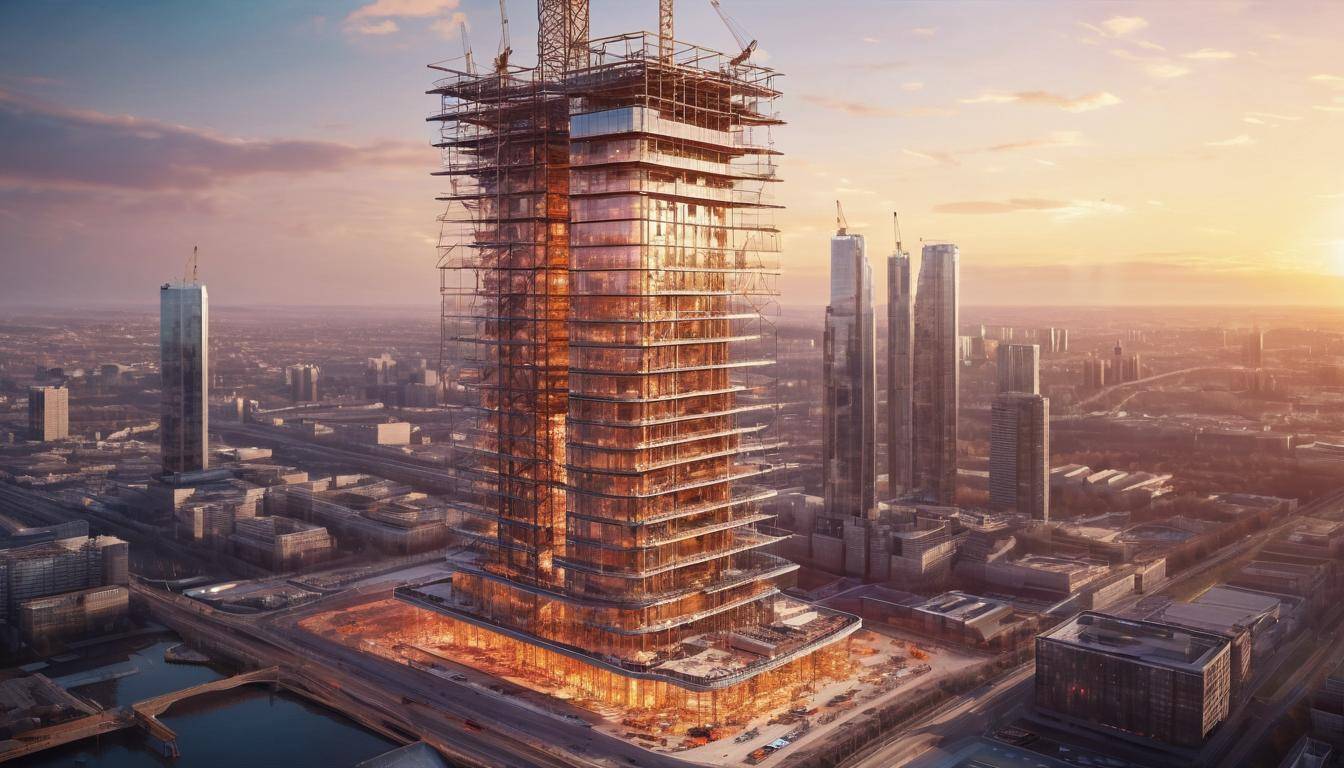
One example of an innovative construction method is the use of Insulating Concrete Formwork (ICF) technique, which achieves high thermal and acoustic insulation standards, reducing heating and cooling costs. Another example is Augmented Reality (AR)-Assisted Building, which allows construction professionals to interact with a 3D model of a building before construction begins, aiding in accurate planning and resource allocation.
Examples of Innovative Construction Methods
When contemplating innovative construction methods, it’s crucial to focus on techniques that have made a tangible difference in completed projects. Not just abstract theories or futuristic concepts, but actual methods that have transformed the way buildings are constructed.
One such method is the Pre-engineered/Precast Flat Panel Systems. This technique involves creating floor and wall units off-site, allowing for faster installation at the construction site. It not only significantly reduces on-site labor but also cuts down construction time. The Ferguson Hospital in Northern Ireland stands as a testament to this innovation, using this method to complete its expansion in record time. By demonstrating how effective it can be for projects with repetitive designs, the hospital highlighted the invaluable role of this construction approach in meeting tight project deadlines while maintaining high-quality standards.
Moving on to another groundbreaking method known as 3D Volumetric Construction, we witness a game-changing innovation that has redefined traditional building practices. Complete three-dimensional sections of a building are produced in a factory setting and then transported to the site for assembly. One remarkable example of its success is the Murray Grove project in London, where a high-rise building was completed in just 12 weeks thanks to this revolutionary technique. This not only showcases the speed at which projects can be executed but also underscores the potential for greater efficiency and cost-effectiveness when employing such methods.
Taking it a step further, there is the integration of Augmented Reality (AR)-Assisted Building with Building Information Modeling (BIM). This pioneering technology allows construction professionals to interact with a 3D model of a building before construction begins, aiding accurate planning and resource allocation. The successful implementation of this method in projects like the Sacramento Kings Arena in California signifies its pivotal role in ensuring precise planning and enhancing overall project quality.
These examples illustrate how innovative construction methods are not just theoretical concepts but practical solutions that have revolutionized the industry by enhancing efficiency, reducing costs, and delivering exceptional results within record timeframes. With these advancements paving the way for more sustainable and efficient building practices, it’s evident that embracing such methods is crucial for driving progress and bringing about positive change in the construction sector.
As we’ve seen how innovative construction methods have reshaped traditional practices, now we turn our attention to evaluating their distinct advantages and drawbacks.
Advantages and Disadvantages of Innovative Techniques
Innovative construction methods are reshaping the industry, offering a range of benefits as well as posing their own set of challenges. Let’s take a closer look at the advantages and disadvantages associated with these advanced techniques.
Advantages
Speed of Construction: Innovative techniques lead to a remarkable reduction in construction time. Off-site methods like precast systems and 3D volumetric construction allow for faster construction, as many building elements are produced in a controlled factory setting. This streamlined approach minimizes on-site labor requirements and shaves considerable time off project schedules, making it an attractive option for clients seeking quicker project completion.
Quality Control: Another key advantage lies in the high level of quality control achievable through innovative construction methods. By fabricating building components in a factory environment, stringent quality standards can be consistently maintained. This results in buildings with higher structural integrity and superior finishes compared to traditional on-site methods.
Waste Reduction: The eco-friendly nature of innovative techniques is evident in the significant reduction of construction waste they offer. Techniques such as Insulating Concrete Formwork (ICF) minimize waste production, providing a more sustainable approach to construction. This reduction not only benefits the environment but also contributes to cost savings by streamlining waste management processes.
Disadvantages
Initial Costs: While innovative techniques offer long-term benefits, they can carry higher initial costs due to the specialized equipment and materials required. The investment in cutting-edge technology and machinery may pose financial challenges for some projects, requiring careful budget planning and consideration.
Skill Requirements: Implementing advanced construction methods demands a highly trained workforce proficient in working with novel technologies and materials. As a result, the requirement for specialized skills can add complexity to projects and increase labor costs. Training and employing skilled workers with expertise in these innovative methods becomes essential for successful execution.
Logistics: The logistics involved in transporting large prefabricated sections to the construction site can present notable challenges. Coordinating the delivery of these components and ensuring their timely arrival at the project location requires meticulous planning and efficient transportation networks. Additionally, factors such as transportation costs and coordination with multiple suppliers must be carefully managed to avoid delays and disruptions to the construction schedule.
Understanding the advantages and disadvantages of advanced construction techniques provides valuable insights for project planning and decision-making. While these methods offer accelerated construction timelines, improved quality control, and reduced environmental impact, they also require careful consideration of initial costs, skill requirements, and logistical complexities. Balancing these factors is crucial for harnessing the full potential of innovative construction methods while mitigating associated challenges.
Now, let’s pivot from understanding the nuances of innovative construction techniques to analyzing the differences between traditional and innovative approaches in construction.
Traditional vs. Innovative Construction Techniques

Traditional building methods have been the backbone of the construction industry for centuries. These techniques are labor-intensive, relying heavily on manual work, often leading to longer construction times. The majority of the work happens on-site, making the project susceptible to delays due to weather conditions. Additionally, traditional methods are notorious for generating more waste and employing less efficient use of materials.
Conversely, innovative construction methods have emerged as a game-changer in the industry. Prefabrication and modular construction are at the forefront of this innovation, dramatically reducing the time required for assembly on-site. Working in a controlled factory environment has drastically improved quality control and reduced weather-related delays, offering a more predictable construction schedule.
Sustainability is another area where innovative methods shine. Techniques such as Timber Frames use renewable resources, offering greener building options that contribute positively to environmental efforts. In contrast, traditional methods often contribute to resource depletion and increased waste, putting a strain on the environment.
To better visualize this comparison, consider a scenario where a traditional concrete structure is being built alongside a modern timber frame building. The traditional method might require extensive manual labor and be subject to construction delays caused by adverse weather conditions. On the other hand, the timber frame building might progress swiftly in a controlled factory setting, with minimal material waste and decreased environmental impact.
Understanding these differences is crucial when it comes to planning new construction projects. Evaluating factors such as labor intensity, material consumption, efficiency, and sustainability can significantly influence the decision-making process for architects, builders, and developers.
In the following sections, we will dive deeper into various aspects of both traditional and innovative construction techniques to provide a comprehensive understanding of their implications on project outcomes and the construction industry as a whole.
Impact of Technology on Building Methods
Innovation has rapidly become the cornerstone of modern construction methods. Technological advancements have revolutionized the way buildings are designed, planned, and constructed. Let’s take a closer look at some significant technological influences that are shaping the industry.
Advanced Machinery
The integration of advanced machinery such as robotic bricklayers and automated construction equipment has been a game-changer in the construction industry. These technologies not only increase precision but also significantly reduce the reliance on manual labor. For example, the Hadrian X robot is capable of laying bricks at a remarkable rate of 1,000 per hour, far surpassing what human hands can achieve. This not only enhances productivity but also ensures consistent quality across projects.
Moreover, the use of robotic bricklayers minimizes physical strain on workers and mitigates potential safety hazards associated with manual bricklaying. This advancement in technology not only improves efficiency but also creates a safer working environment for construction personnel.
Digital Twins
One of the most intriguing developments in modern construction is the concept of digital twins. By creating a digital replica of a building, project managers and engineers gain access to real-time monitoring and simulation capabilities that greatly enhance project management. A prime example is the City of Helsinki’s utilization of digital twins to improve urban planning and infrastructure management. By simulating various scenarios, planners can optimize space utilization, traffic flow, energy consumption, and overall urban development strategies for maximum efficiency and sustainability.
This method allows city planners to predict potential problem areas and develop effective strategies for infrastructure optimization before physical construction begins. It’s like having a crystal ball that enables proactive decision-making based on virtual simulations that accurately mirror real-world scenarios.
Internet of Things (IoT)
The increasing implementation of sensors and IoT devices in construction projects has introduced a new level of data-driven precision and optimization. These devices can track material usage, equipment performance, and environmental conditions in real-time, providing construction managers with invaluable insights into the construction process. Turner Construction’s use of IoT to monitor concrete curing times stands as an excellent example. By analyzing real-time data, they were able to optimize curing times, resulting in expedited project completions.
The ability to monitor concrete curing using IoT not only expedites project completion but also enhances quality control by ensuring that concrete cures under optimal conditions. This level of data-driven precision significantly reduces the likelihood of structural issues arising due to improper curing.
These advanced technological innovations represent just a glimpse into the multitude of ways technology has transformed modern building methods. From improved efficiency to enhanced safety measures and unprecedented levels of precision, it’s clear that technology is reshaping the construction landscape in remarkable ways.
Sustainable Building Practices
When it comes to construction, the materials and methods wield a significant impact on the environment. Hence, sustainable building practices are gaining more attention in an effort to create eco-friendly structures with reduced carbon footprints.
1. Renewable Materials
One of the pivotal ways to make construction more sustainable is by incorporating renewable materials. Instead of relying solely on traditional materials like concrete and steel, builders are turning toward eco-friendly options such as bamboo and recycled steel. These materials have a significantly lower environmental impact compared to their conventional counterparts. For instance, China’s iconic CITI Tower features pioneering bamboo flooring to minimize its carbon footprint, setting an inspiring example for sustainable construction practices globally.
2. Energy-Efficient Designs
Incorporating energy-saving technologies into building designs can drastically lower a structure’s operational energy use. Take the Bullitt Center in Seattle, renowned as one of the world’s greenest commercial buildings. This structure has embraced advanced design principles such as solar panels and efficient HVAC systems, achieving net-zero energy consumption. By prioritizing energy efficiency in construction projects, we can contribute to mitigating the ecological impact associated with high-energy consumption buildings.
3. Water Conservation
Water conservation is another critical aspect of sustainable building practices. Techniques like rainwater harvesting and recycled greywater systems play a significant role in reducing the overall water demand of buildings. Notably, projects certified by the Green Building Council’s LEED program prioritize water-efficient landscaping to minimize water waste and promote sustainable water use within buildings.
Embracing these sustainable building practices is not just an option; it’s becoming a necessity in today’s world. As environmental concerns grow, so does the importance of incorporating sustainability into construction practices. By leveraging renewable materials, implementing energy-efficient designs, and prioritizing water conservation, we can work toward creating environmentally responsible buildings that reduce their impact on our planet while providing comfortable and efficient living and working spaces.
As construction techniques continue to evolve towards sustainability, contractors must stay ahead of emerging trends shaping the industry. Now, let’s uncover key insights that contractors need to navigate this dynamic landscape.
Key Insights for Contractors
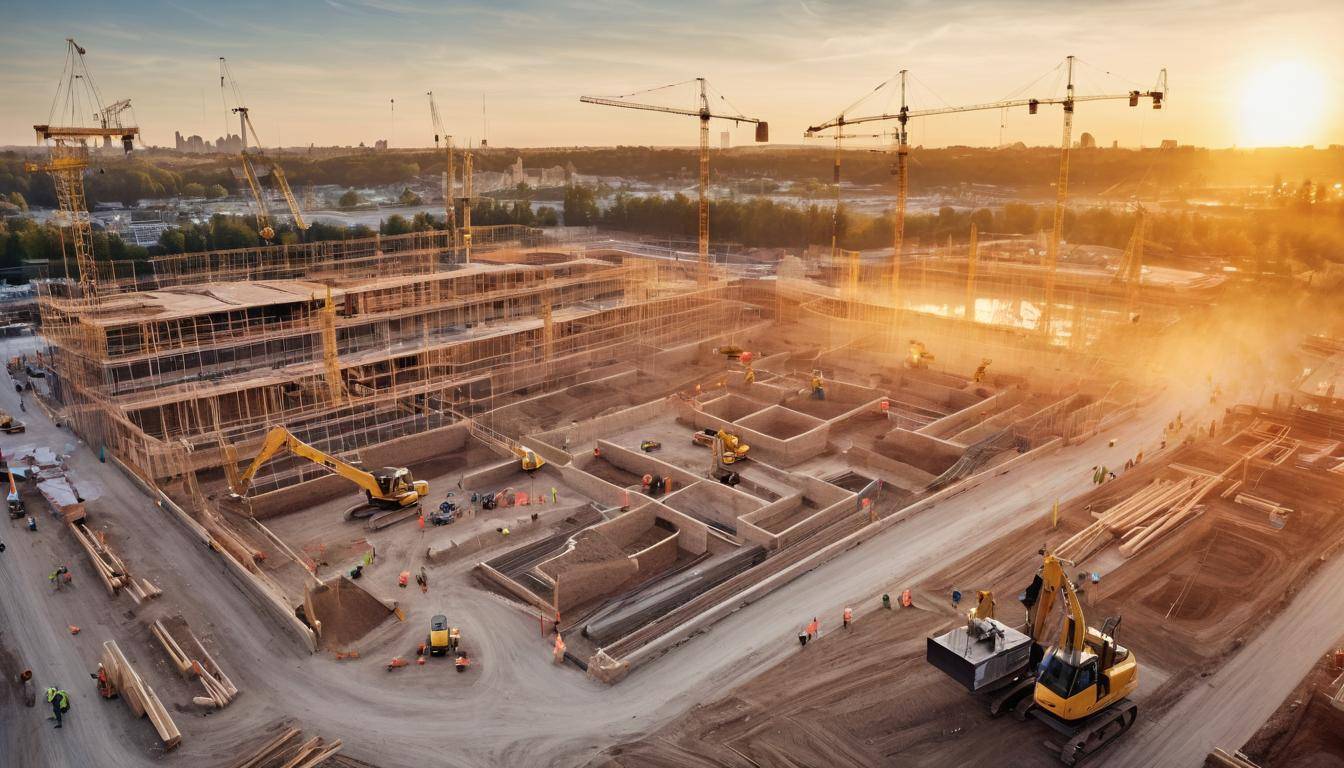
Contracting involves more than just building things—it encompasses managing people, understanding processes, and navigating potential risks. Here are some key insights that can help contractors navigate the terrain of modern construction:
Training and Skill Development
Innovative construction methods necessitate skilled and well-trained workers. As technologies evolve, so should the skillset of the workforce. It’s crucial for contractors to invest in continuous training programs to keep their teams updated with the latest developments in the industry. This not only improves efficiency on the job site but also ensures safety during the construction process. By investing in training and development, contractors can equip their workforce with the skills needed to confidently navigate new construction technologies.
Project Management Software
The construction industry is rapidly adopting project management software like Procore or Buildertrend to streamline operations. These tools offer an array of functions from budgeting to communication between teams. They provide real-time updates and comprehensive tracking, essential for managing complex projects effectively. Utilizing such software also enhances transparency and accountability across different aspects of a project, ultimately leading to better coordination and delivery.
Risk Management
Understanding risk management strategies is critical for contractors venturing into innovative construction methods. The adoption of new technologies introduces potential risks such as supply chain disruptions and technical issues that may arise during the construction process. Contractors should be well-versed in identifying, assessing, and mitigating these risks effectively to ensure successful project outcomes. Thorough risk management enables proactive planning and response strategies, ultimately safeguarding the project from potential setbacks.
Ensuring a skilled workforce and leveraging advanced software while being mindful of potential risks lay the groundwork for successful implementation of innovative construction methods. Let’s now explore how these insights can be put into practice to elevate the construction process effectively.
Future of Construction Technology
As we embrace a future where technological advancements play a significant role in the construction industry, one of the most exciting developments is the integration of robotics and automation. Imagine robots capable of effortlessly navigating challenging terrains, enabling construction in areas previously considered inaccessible. Companies like Boston Dynamics are paving the way with their innovative robotic systems that have the potential to revolutionize how structures are built.
These robots are not just your typical machines; they possess advanced capabilities that allow them to perform complex tasks effectively. For instance, they can handle heavy lifting and precise assembly, reducing the risk of accidents and injuries for human workers. With such technology at our disposal, construction projects in remote or hazardous locations can become more feasible than ever before.
Artificial Intelligence (AI)
The integration of Artificial Intelligence (AI) into construction processes has immense potential to streamline operations. From optimizing construction schedules to predicting maintenance requirements, AI’s machine learning algorithms hold promise in enhancing safety on-site. For example, major construction firms like Skanska are already harnessing the power of AI to improve project planning and reduce overall project duration.
Building upon this, AI-based technologies can also facilitate real-time data analysis and decision-making that improves efficiency and reduces costs during ongoing construction projects. The utilization of AI-driven tools enables project managers to make informed decisions and adjustments promptly, ensuring smoother project execution and delivery.
With a focus on sustainability and efficiency, smart materials are making waves within the industry. Innovations such as self-healing concrete and phase-change materials are poised to change how buildings are constructed and maintained. Imagine concrete that can repair its own cracks or materials that regulate temperatures within a building.
These revolutionary materials offer an unprecedented level of longevity and energy efficiency. Self-healing concrete has the potential to significantly minimize maintenance costs in the long run while increasing the lifespan of structures. Furthermore, phase-change materials can regulate temperature within a building, reducing energy consumption and maximizing occupant comfort.
Smart materials do not just provide sustainability benefits; they also lay the groundwork for building structures that are more resilient and durable in the face of environmental challenges. This represents a fundamental shift in how we approach construction, emphasizing not just initial construction process optimization but also long-term operational efficiency and sustainability.
The future looks bright for the construction industry as it embraces these remarkable advancements. From robotic systems reshaping accessibility to AI optimizing processes and smart materials redefining durability and sustainability, these innovations are set to take modern projects to new heights.