The Ultimate Guide to Eco-Friendly Home Upgrades Create a Sustainable Living Space
Feeling overwhelmed by the seemingly endless ways to reduce your carbon footprint? You’re not alone. Many people share your desire to make their homes more eco-friendly but find themselves daunted by potential costs and complex advice. Luckily, impactful change doesn’t have to come from expensive renovations or high-tech gadgets alone.
By making a few thoughtful upgrades—like installing a smart thermostat or using advanced power strips—you can significantly lower your home’s energy consumption without breaking the bank. Extensive research shows that small adjustments often yield substantial results. imagine walking into a cozy room warmed just right because you took an extra step to insulate properly. These simple yet powerful upgrades are within reach and can start making a difference almost immediately.
Eco-friendly home upgrades include switching to LED light bulbs, upgrading windows to dual-paned for energy efficiency, installing a tankless water heater for on-demand hot water and energy savings, and prioritizing Energy Star-certified appliances to improve energy efficiency. These upgrades help lessen the carbon footprint, reduce waste, and support the environment.
Reducing Your Home’s Overall Energy Consumption
Reducing your home’s energy consumption isn’t just about saving money; it significantly contributes to environmental conservation efforts. Simple everyday actions can make a big difference. For instance, have you ever thought about how much electricity is wasted when devices are left on standby? It adds up over time. Now, let’s discuss some specific methods to cut down energy usage efficiently. One of the most impactful ways to optimize your energy consumption is by integrating smart technology into your home.
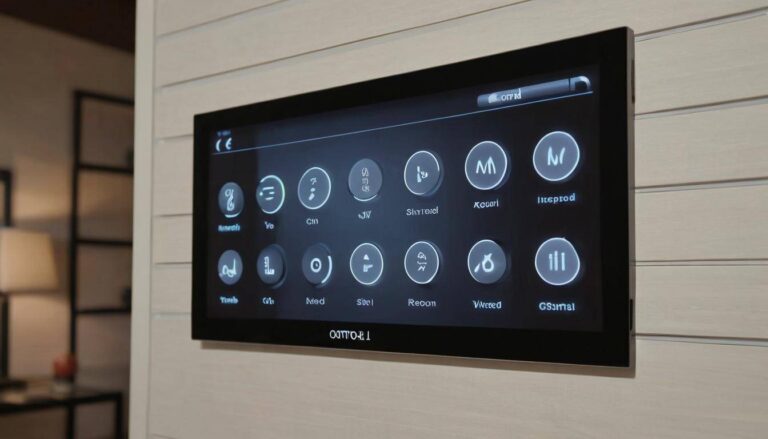
One smart upgrade you could consider is installing a smart thermostat. These devices learn your habits and automatically adjust temperature settings based on when you’re home or away. By optimizing heating and cooling schedules, a smart thermostat can help you save up to 10-12% on heating and 15% on cooling annually, according to the Environmental Protection Agency (EPA). Imagine being able to return to a perfectly warmed or cooled home without wasting excessive energy in your absence.
Consider this scenario: You wake in the morning, grab a cup of coffee, and head out for work. With a regular thermostat, your heating or cooling system might continue running at full blast even though no one is home. However, with a smart thermostat, it would recognize that no one is present and adjust the temperature accordingly, minimizing unnecessary energy usage.
Another useful tool in reducing standby power consumption is through the use of advanced power strips. These power strips are designed to cut off standby power to electronic devices that are not in use, helping you eliminate unnecessary phantom energy loads. This means that devices such as TVs, computers, and gaming consoles won’t continue using energy when they’re switched off but still plugged in.
By employing these tools, you can minimize the amount of electricity wasted and maximize energy efficiency in your home environment. It’s all about making small changes that add up to significant long-term benefits both for you and the environment.
Integrating these technological upgrades and embracing simple behavioral changes can substantially lower your home’s overall energy consumption while contributing to environmental sustainability measures—a win-win for both you and the planet.
With these eco-conscious strategies in mind, let’s now explore the implementation of insulating materials for better efficiency in creating an environmentally friendly living space.
Applying Insulating Materials for Better Efficiency
Proper insulation acts as a shield, keeping your home comfortable while significantly decreasing over-reliance on heating and cooling systems, which translates to lower energy bills and reduced environmental impact. When it comes to insulating materials, there are specific aspects to consider that can ensure optimal energy efficiency and sustainability.
An appealing aspect of eco-friendly insulation materials is their capacity to promote energy efficiency while minimizing environmental harm. Cellulose insulation, for instance, is made from recycled paper waste, offering a second life to materials that might otherwise end up in landfills. By choosing cellulose insulation, homeowners not only enhance the thermal performance of their homes but also contribute to waste reduction and conservation of natural resources.
In addition to cellulose, there’s sheep’s wool insulation—a biodegradable and highly efficient material contributing to a sustainable home environment. Sheep’s wool is renewable and has excellent thermal properties, making it an appealing choice for environmentally conscious homeowners. Its ability to naturally regulate moisture and humidity levels further adds to the desirability of this eco-friendly option.
As we shift our focus from materials to areas of application, it’s crucial to understand that effective insulation isn’t limited to just one part of the house. To achieve maximum energy efficiency, homeowners should aim to insulate critical areas such as the attic, walls, floors, and spaces around doors and windows.
Sealing Gaps and Cracks
Careful attention should be paid to sealing gaps and cracks in these areas. Preventing air leakage due to poorly sealed gaps can significantly reduce energy loss. It’s akin to trying to keep warm when you’re under a blanket with holes in it—much of your warmth escapes through those gaps.
Insulating an attic can have a substantial impact on energy savings by effectively containing heat during winter and keeping it out during summer. By investing in proper insulation in this area alone, homeowners can noticeably reduce their heating and cooling costs over time.
Likewise, insulating walls has long-term benefits. It helps maintain a consistent indoor temperature, reduces reliance on artificial heating or cooling, and ultimately lowers carbon emissions.
Properly insulating floors not only creates a more comfortable living space but also ensures that heat doesn’t escape through the ground during colder months and prevents heat from entering during warmer months.
Now that we’ve covered the different types of eco-friendly insulation materials and where they can be applied for maximum effectiveness let’s take a comprehensive look at how these measures contribute to creating a sustainable living space in detail.
Switching to Solar Power
So, you’re contemplating the switch to solar power—excellent decision! Not only will you be harnessing clean, renewable energy, but you’ll also reap the benefits of reduced electricity bills and potential financial incentives. Now, let’s dive into the process and advantages of embracing solar energy for your home.
Solar Panel Installation: Generating Renewable Energy
Embracing solar power involves installing solar panels on your roof or property. These panels capture sunlight and convert it into electricity to power your household appliances, lighting, and heating systems. A standard 6 kW solar panel system has the potential to save an average home approximately $1,500 annually on electric bills (Source: EnergySage).
The installation process typically involves assessing your property’s suitability for solar panel placement. Factors like roof orientation, angle, shading from nearby trees or structures, and available space are considered to optimize energy production. It’s critical to engage a reputable solar panel installer who can conduct a thorough assessment and recommend the most efficient setup tailored to your specific needs.
Exploring Solar Incentives: Financial Support for Transitioning
When transitioning to solar energy, it’s wise to explore potential government incentives, tax credits, and rebates available for solar installations. Many regions offer incentives aimed at offsetting the initial costs associated with installing solar panels. These financial support mechanisms significantly reduce the upfront investment required for transitioning to solar power, making it a more financially viable prospect for homeowners.
By taking advantage of these incentives, you not only contribute to a more sustainable future but also benefit from immediate cost savings. Before embarking on the installation process, conduct thorough research into the available incentives in your area and consult with experienced professionals to maximize the financial advantages of going solar.
Switching to solar power presents an opportunity not only for environmental conscientiousness but also for long-term financial stability and energy independence. By embracing renewable energy solutions, homeowners can make substantial strides towards creating a more sustainable living space while enjoying tangible benefits in terms of reduced utility costs and potential economic incentives.
Now that we’ve explored the process and advantages of embracing solar energy for your home, let’s shine a light on another transformative eco-friendly upgrade—replacing incandescent lights with LEDs.
Replacing Incandescent Lights with LEDs
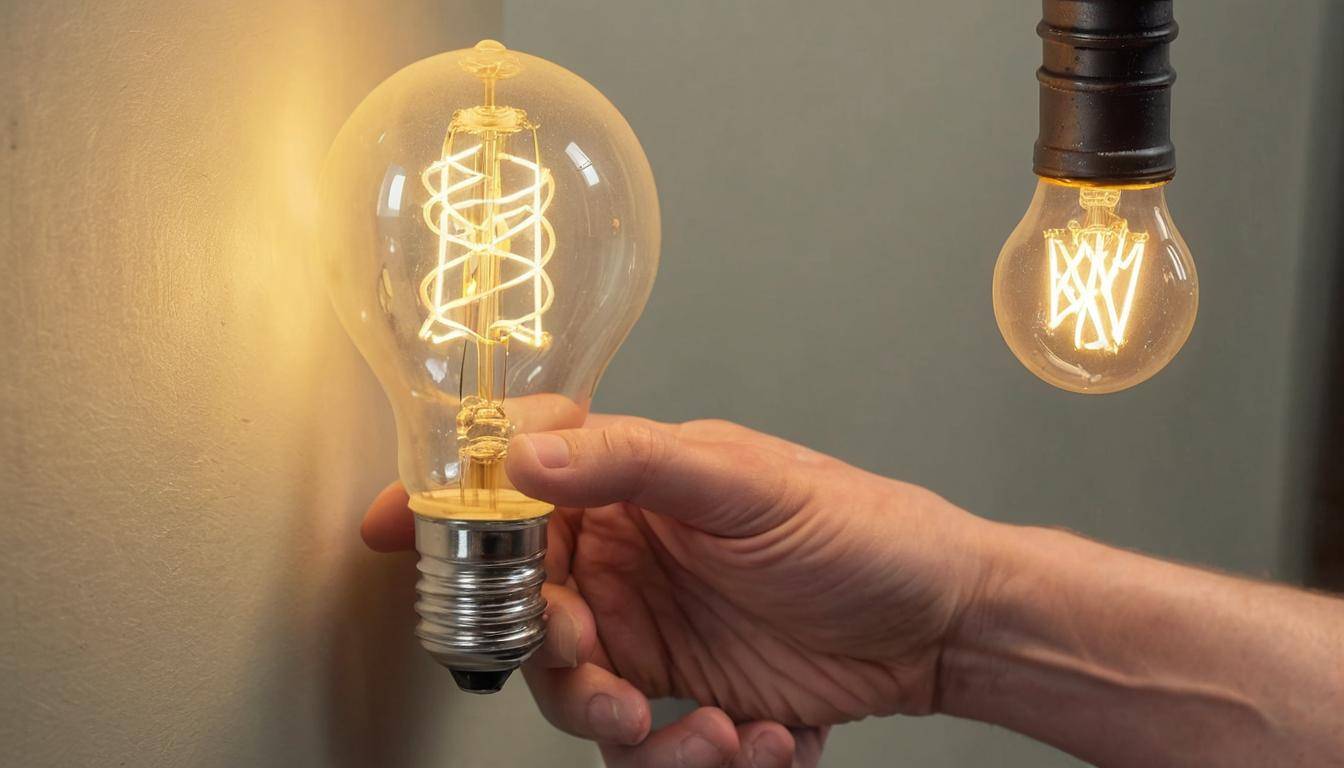
When it comes to making your home more eco-friendly, small changes can add up to create a big impact. Swapping out old incandescent light bulbs with energy-efficient LEDs is a simple and cost-effective upgrade that not only reduces your carbon footprint but also saves you money in the long run.
Energy Efficiency
LED bulbs use at least 75% less energy than traditional incandescent bulbs, which translates to substantial energy savings over time. The efficiency of LEDs means they convert much more of the energy they use into light, rather than heat, making them an eco-friendly choice.
The longer lifespan and reduced energy usage of LED bulbs are especially significant when compared to incandescent lighting. A regular incandescent light bulb typically has an average lifespan of 1,000 hours, while an LED bulb can last up to 25,000 hours. Not only do LED bulbs last 25 times longer, but they also consume about 75% less energy than incandescent bulbs, making them an environmentally responsible choice for your home.
Cost Savings
Although the initial cost of LEDs may be higher than that of incandescent bulbs, their longer lifespan and reduced energy consumption result in significant cost savings over time. By switching to LED lights, you not only decrease your energy bill due to their efficient use of electricity but also reduce the frequency of having to purchase replacements. Essentially, while you may pay a bit more initially for an LED bulb, it will likely be cheaper in the long run and contribute to your sustainable lifestyle.
Moreover, as governments and organizations worldwide continue to promote sustainable practices, many regions offer incentives or rebates for transitioning to energy-efficient lighting. In some cases, these financial incentives help offset the initial investment in LEDs, making the switch even more attractive from a cost-saving perspective.
Environmental Impact
Aside from the economic benefits, embracing LED lighting significantly contributes to reducing environmental impact. The lower energy consumption not only leads to lower electric bills for homeowners but also reduces greenhouse gas emissions, aligning with environmentally conscious efforts.
It’s evident that replacing your old incandescent bulbs with LED lights offers substantial benefits, from decreased energy consumption and cost savings to a positive environmental impact. Making this simple shift is undoubtedly a significant step towards creating a more sustainable living space. As we consider the multifaceted approach to eco-friendly home upgrades, let’s now explore another vital aspect—upgrading heating and cooling systems. Stay tuned!
Upgrading Heating and Cooling Systems
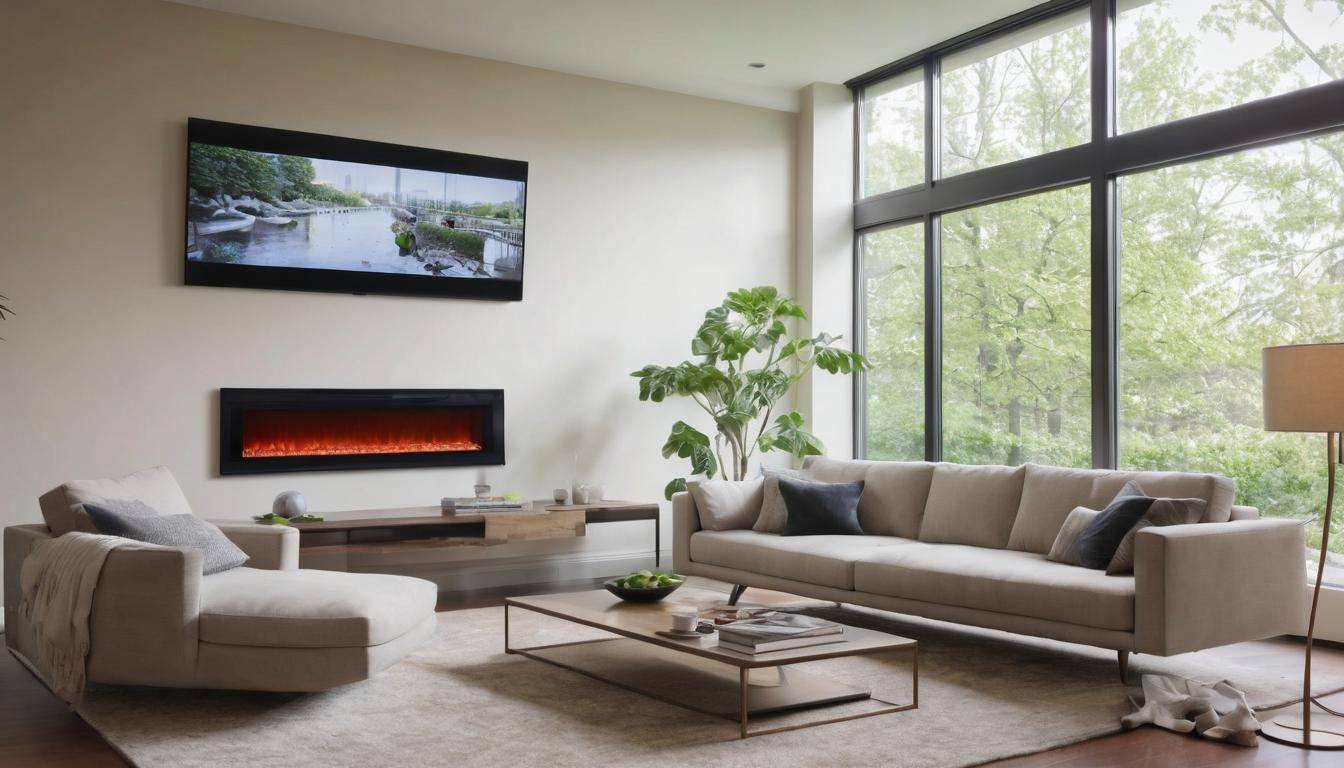
When it comes to making your home more energy-efficient, one of the best places to start is with your heating, ventilation, and air conditioning (HVAC) system. This system regulates the temperature and air quality within your home. If it’s not running efficiently, it can contribute to unnecessary energy consumption and environmental impact.
One of the most effective ways to modernize your HVAC system is by switching to Energy Star-certified systems. These systems are designed to be up to 20% more efficient than standard models, meaning they use less energy to provide the same level of heating and cooling. Not only does this result in lower energy bills, but it also reduces your carbon footprint by decreasing the amount of energy required to maintain a comfortable indoor environment.
For instance, an Energy Star-certified air conditioner uses advanced design features to cut back on power consumption during on-off cycles. This means it uses less electricity—which not just slashes your bills but also translates into lower greenhouse gas emissions.
Another option to consider is heat pumps, which offer a highly efficient alternative for both heating and cooling. Instead of generating heat directly, like traditional furnaces, heat pumps transfer heat from one place to another. This makes them notably more energy-efficient since they simply move warm air instead of having to generate it from scratch.
Take, for example, a common household refrigerator. It doesn’t generate cold; instead, it removes heat from inside using a refrigerant that is then released outside. Similarly, a heat pump uses this principle in reverse; when in “heating mode,” it extracts heat from outdoor air (yes, even cold air contains heat!) and moves it inside your home.
By incorporating these upgrades into your home, you’re not only reducing your energy usage but also improving your indoor air quality. This means cleaner air for you and your family to breathe while supporting sustainable living practices.
These changes might seem complex at first, but once done, they’ll make a huge environmental difference. Let’s dive into this topic further…
Investing in Energy-Efficient Appliances
When it comes to creating an eco-friendly home, one of the most significant steps you can take is to invest in energy-efficient appliances. These types of appliances are designed to use less energy, ultimately reducing your household’s energy consumption and its impact on the environment. Let’s take a look at the two key types of energy-efficient appliances to consider for your sustainable living space.
Energy Star Appliances
Energy Star-certified appliances, such as refrigerators, dishwashers, and washing machines, are specifically designed to consume less energy while still providing top-notch performance. These appliances can save up to 30% more energy compared to standard models, making them a wise choice for environmentally conscious homeowners.
When shopping for new appliances or considering an upgrade, keep an eye out for the distinctive blue Energy Star label. This label indicates that the appliance has met strict energy efficiency guidelines set by the U.S. Environmental Protection Agency and the Department of Energy. By choosing Energy Star-certified appliances, you can not only lower your energy bills but also help protect the environment by reducing greenhouse gas emissions.
Smart Appliances
In addition to Energy Star-certified options, consider incorporating smart appliances into your sustainable home setup. Smart appliances offer advanced features such as energy usage monitoring and scheduling capabilities, allowing you to optimize their operation for maximum energy efficiency.
For example, smart refrigerators equipped with internal cameras and cloud-based apps enable you to check their contents remotely, helping minimize unnecessary trips to the store and reduce food waste. Moreover, these appliances can be programmed to run during off-peak hours when energy demand and costs are lower, further contributing to energy savings.
It’s worth noting that while investing in energy-efficient appliances may require an initial upfront cost, the long-term benefits in terms of reduced energy consumption and environmental impact make them a worthwhile addition to any sustainable living space.
Incorporating these efficient appliances into your home not only aligns with your commitment to sustainability but also provides practical advantages such as lower utility bills and enhanced convenience through smart features and functionalities.
Making informed decisions about energy-efficient appliances sets the stage for a more eco-friendly living space. Now, let’s dive into the realm of Installing Energy-Efficient Windows, where we navigate the significance of this crucial component in creating a sustainable abode.
Installing Energy-Efficient Windows
Windows play a critical role in the comfort and energy efficiency of your home. They can either help retain heat during winter or keep it out during summer. By upgrading to double- or triple-paned windows with low-emissivity (Low-E) coatings, you can significantly improve insulation and reduce your energy costs by up to 15%.
Double-paned windows consist of two layers of glass with a space filled with gas in between, which slows down the transfer of heat through the window. Triple-paned windows go even further with an extra layer of glass and gas, providing even better insulation.
Imagine your walls are like a winter coat, keeping you warm when it’s cold outside. If you have single-paned windows, it’s like wearing a thin shirt underneath that coat— a significant amount of heat will still escape. Upgrading to double- or triple-paned windows is like adding a warm sweater under that coat; making a noticeable difference in retaining heat and reducing energy bills.
Window Treatments
Adding insulated window treatments such as thermal curtains or shades can further enhance the energy efficiency of your home. These treatments act as an extra barrier against heat loss during winter and heat gain during summer, allowing you to rely less on heating and cooling systems.
Thermal curtains have a heavy lining that helps trap heat inside during winter and block sunlight during summer. This means less work for your heating and cooling systems, leading to more savings on your energy bills.
By installing energy-efficient windows paired with insulated window treatments, you’re not only making your home cozier but also taking substantial steps towards creating a sustainable living space that reduces energy consumption and saves you money in the long run.
Having explored the benefits of upgrading to energy-efficient windows, let’s now dive into other sustainable home upgrades that can make a notable impact on your living space.
Reducing Water Usage in Daily Life
Water is one of our most precious resources. Conserving it isn’t only good for the environment—it’s also great for cutting down on utility bills. There are simple, practical steps you can take to use less water without sacrificing convenience or comfort.
Low-Flow Fixtures
One effective way to reduce water wastage in your home is by installing low-flow fixtures. These include faucets, showerheads, and toilets specially designed to use significantly less water compared to traditional fixtures. In fact, according to the Environmental Protection Agency (EPA), low-flow fixtures can reduce water consumption by 20-60%.
Imagine turning the tap on and knowing that the water flowing out is using so much less than before. Not only does this save water, but it also means less energy is required to heat water, so it’s a win-win situation for both your wallet and the environment. Plus, with modern designs and technology, you won’t even notice a decrease in performance or comfort.
Water-Efficient Appliances
When it comes to appliances, upgrading to water-efficient washing machines and dishwashers can make a substantial difference in your water consumption. Newer models are consciously designed to use less water per cycle compared to older counterparts—saving both water and energy.
Just think about this for a moment—every load of laundry or dishes uses less water, and that adds up over time. Not only are you helping the environment by conserving a precious resource, but you’re also making a significant impact on your utility bills in the long run.
By implementing these adjustments in your home, you not only create a more environmentally-friendly space but also contribute to tangible savings on your monthly bills.
Making these small changes contributes to a larger positive impact on the environment and your finances. Embracing eco-friendly practices not only supports sustainability but also enhances the quality of life in our homes and communities.