Advanced Home Automation Smart Technologies for a Connected Home
Imagine your home responding seamlessly to your preferences, adjusting lighting, climate, and security as you move from room to room. This is not just a dream but an achievable reality with advanced home automation systems. These technologies promise not only convenience but also energy efficiency and enhanced security, provided you navigate the complex landscape of smart platforms wisely.
In my exploration of systems like Control4, SmartThings, and Apple HomeKit, I discovered that selecting the right platform significantly impacts user experience. Often overlooked are the subtle nuances such as device compatibility and ease of integration which can either save time or cause endless frustration. Through thorough research into each system’s features and capabilities, one can truly master home automation—simplifying daily tasks while ensuring data privacy and avoiding common pitfalls. Now, let’s explore how choosing a robust platform can unlock endless possibilities for your smart home setup.
Advanced home automation offers the convenience of controlling various aspects of your home, such as lighting, security, and entertainment, from a centralized system. It provides increased energy efficiency, security monitoring, and seamless integration with smart devices, ultimately enhancing overall comfort and convenience within the home.

Mastering Home Automation Systems
In the expansive realm of home automation, several platforms are available to bring your connected home to life. Platforms like Control4, SmartThings, and Apple HomeKit act as centralized interfaces, enabling you to effortlessly manage all connected devices. These platforms simplify tasks such as adjusting lighting, controlling climate settings, and enhancing security measures within your home.
One highly recommended platform for homeowners is Control4. Renowned for its user-friendliness and cost-effectiveness, it’s an ideal choice for those considering entering the world of home automation. With Control4, you can seamlessly integrate all your smart devices into one comprehensible and intuitive system. This system has made significant strides in providing a fulfilling user experience and is known for its capability to adapt to various types of homes, from compact apartments to spacious estates.
Imagine coming home and effortlessly dimming the lights, adjusting the thermostat, and even arming your security system with just a few clicks on your smartphone—all thanks to a well-integrated Control4 system. The convenience and peace-of-mind offered by such platforms are truly invaluable.
To truly master your chosen platform, it’s crucial to invest time in understanding its specific features and capabilities. Consider it like learning a new language; the more familiar you become with the ins and outs of the platform, the more seamless and effective your integration and user experience will be.
Engaging deeply with the nuances of your chosen platform not only enhances day-to-day living but also maximizes the benefits of home automation. For instance, familiarity with Control4’s programming capabilities can enable you to create personalized “scenes” that adjust multiple devices simultaneously with just one command—imagine a simple “movie night” scene that dims the lights, lowers the blinds, and turns on your entertainment system.
Some might argue that investing time in learning specific platform features seems tedious but consider this as an investment rather than an expense. The return on time spent learning will be evident in the enhanced functioning of your smart home system.
By understanding and immersing yourself in the functions and capabilities of your chosen home automation platform, you can position yourself as an expert in managing a seamless, integrated smart home experience.
Must-Have Smart Home Devices
In the realm of home automation and smart technologies, certain devices are essential for creating a truly connected and convenient home. These devices not only add high-tech functionality to your living space but also bring tangible benefits in terms of energy efficiency, security, and convenience. Let’s explore three must-have smart home devices that can transform your daily routines and elevate your living environment.
Smart Thermostats
One of the most impactful smart home devices is the smart thermostat. It’s an intelligent solution that makes temperature control easier and saves energy and money. The Nest Learning Thermostat, for instance, optimizes energy use and saves homeowners an average of 10-12% on heating bills and 15% on cooling bills by learning temperature preferences and habits. Imagine walking into a comfortably warm or cool home without wasting unnecessary energy while you’re away—it’s like having a climate butler who knows your every preference.
Smart Locks
With smart locks, you gain more than just the convenience of keyless entry. Devices like the August Smart Lock provide enhanced security by allowing you to control and monitor your doors from anywhere. Whether you’re at work, on vacation, or simply in another room, you can lock or unlock your door remotely using a companion app on your smartphone. Additionally, you can grant temporary access to visitors or service providers without needing to hand them physical keys—giving you greater peace of mind about who has access to your home.
Smart Lighting
Smart lighting solutions such as Philips Hue bulbs offer customizable lighting options that go beyond basic illumination. With the ability to change colors, adjust intensity, and set schedules, these bulbs allow you to create personalized lighting scenes that match your mood or activities. Want a warm and cozy ambiance for movie night? Easy. Need bright lights for focused work during the day? Done. Plus, with the capability to schedule when lights turn on and off, you can improve energy efficiency without sacrificing comfort.
With these must-have smart home devices as part of your home automation setup, you’re not just investing in technology; you’re enhancing your daily life with convenience, efficiency, and advanced security features.
As we move forward into the next section, let’s explore how to create a seamless network for all these gadgets with “Setting Up Wireless Networks”.
Setting Up Wireless Networks
When transforming your living space with smart devices, ensuring they are all connected smoothly and without interruptions becomes crucial. This is where building a strong wireless network comes into play.
A reliable wireless network is essential for guaranteeing that your smart home devices function as intended without any hiccups. Starting with a powerful Wi-Fi router is key. A router like the Netgear Nighthawk series is known for its ability to handle multiple devices simultaneously, providing consistent and reliable connectivity across an array of smart gadgets.
Placement matters. It’s not just about getting a powerful router; where you place it in your home can make all the difference. If possible, position the router centrally so that it covers the entire house with a strong signal. However, homes with multiple floors or thick walls might face dead spots where the Wi-Fi signal doesn’t reach. In such cases, Wi-Fi extenders can be incredibly useful. These devices amplify the existing Wi-Fi signal, extending its coverage to areas that were previously out of reach.
For instance, imagine having trouble streaming music in your backyard due to poor Wi-Fi signal strength. By strategically placing a Wi-Fi extender in close proximity to the outdoor area, you can effectively eliminate those dead spots and enjoy uninterrupted connectivity throughout your property.
Networking 101: Remember that the goal isn’t just to have a strong signal in one room at the expense of another—consistency is key here. By optimizing the coverage throughout your home, you can ensure that all your smart devices are always connected and ready to respond to your commands without any lag or delay.
Quick tip: When setting up your network, it’s also important to secure it with a strong password to prevent unauthorized access and potential security breaches.
Ensuring every corner of your home has reliable Wi-Fi coverage creates a solid foundation for your smart home ecosystem to thrive. But before diving into specific configurations and settings, let’s explore some additional considerations for managing multiple smart devices effectively within your network.
Enhanced Security Features
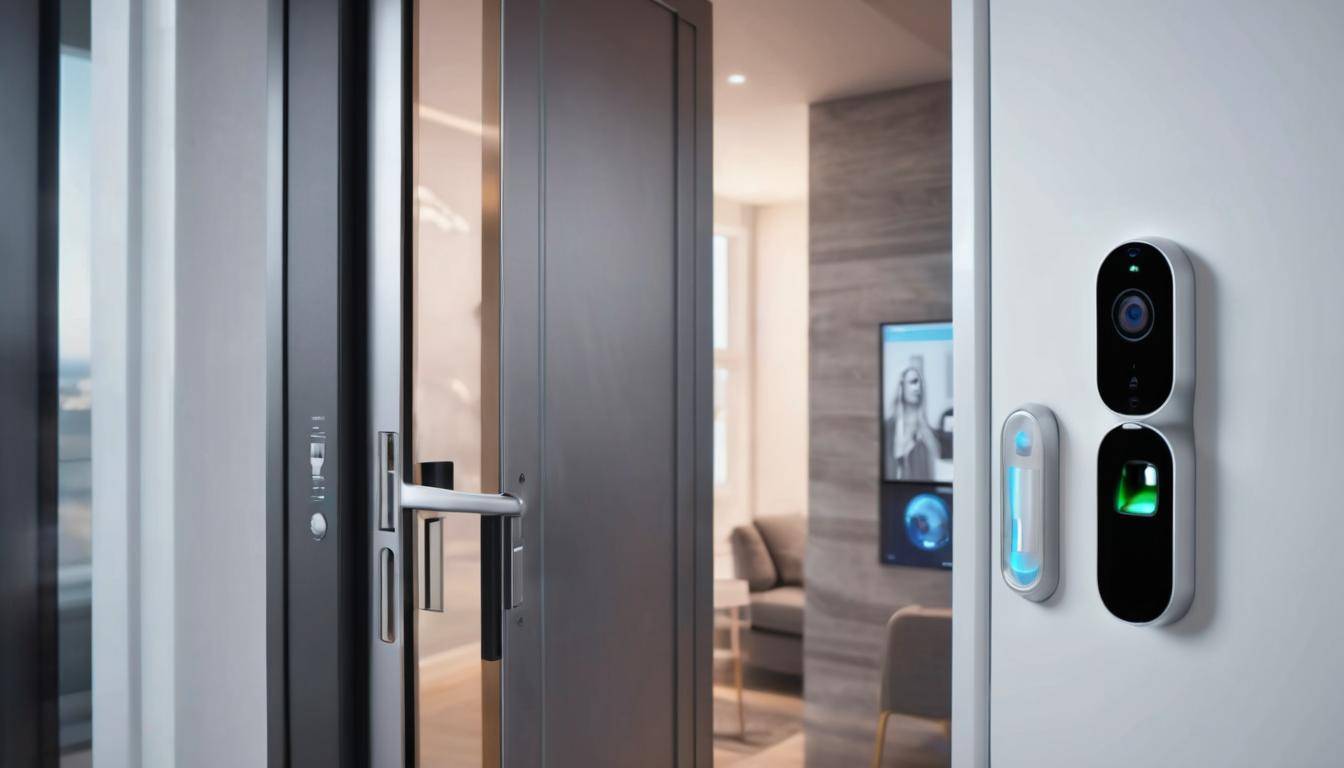
When it comes to safeguarding your smart home, the prime concern is to ensure that all connected devices and systems remain protected from potential security breaches. While convenience and accessibility are major benefits of smart home technology, the underlying concern for security should not be overlooked. With advanced security features in place, you can further fortify your home against potential threats and ensure peace of mind.
One noteworthy aspect of advanced security features in a smart home is comprehensive coverage. Modern security systems, like Ring Alarm, offer a wide array of components including door/window sensors, motion detectors, and security cameras. This multipronged approach ensures that every entry point and critical area of your property is effectively monitored and secured. Additionally, having an integrated system allows for seamless communication between different components, enhancing overall effectiveness.
Integration with voice assistants such as Alexa or Google Assistant is another valuable feature that adds a layer of convenience to your home security setup. This integration enables hands-free control over the arming and disarming of the security system through simple voice commands. Imagine being able to arm your entire security system with just a few words before heading to bed or effortlessly disarming it as soon as you step inside the house.
For instance, these voice-activated features not only offer convenience but also serve as an added safety measure. In case of an emergency where swift action is crucial, the ability to voice-command your security system could make a significant difference. It’s like having a personal assistant that doesn’t just respond to mundane tasks but also contributes to keeping your living space secure and protected.
Furthermore, the real essence of enhanced security features lies in their ability to actively deter potential intruders or threats through visible deterrents such as surveillance cameras and motion-activated lighting. The mere presence of these elements can significantly reduce the likelihood of an attempted break-in or unauthorized entry, acting as a proactive defense mechanism for your home.
With these advanced security features seamlessly incorporated into your smart home infrastructure, you can enjoy both peace of mind and practical convenience while ensuring the safety and protection of your living space.
Now, let’s pivot our focus towards leveraging cutting-edge sensors to augment the functionality of your smart home ecosystem.
Utilizing Advanced Sensors
The ability to monitor and control various aspects of our homes is at our fingertips thanks to advanced sensors. These small devices act as the silent guardians of our connected homes, working behind the scenes to enhance comfort, safety, and energy efficiency. Occupancy sensors, for instance, are like an invisible assistant that can adjust lighting and temperature in response to room usage. Not only does this conserve energy but it also creates a seamless, comfortable environment tailored to your needs.
Consider the convenience and practical benefits: imagine walking into a room and having the lights automatically turn on, or having the thermostat adjust to your preferred temperature without manual adjustments.
Motion Sensors
Motion sensors are another crucial component of a smart home. These sensors can detect movement within a specified area and trigger a response, such as turning on lights or activating surveillance cameras. This not only enhances security but also adds convenience by automating tasks based on your presence.
Leak Sensors
Leak sensors are yet another example of crucial smart technology. They can detect the presence of water where it shouldn’t be and send an alert to your smartphone before a minor leak becomes a major headache. By catching water leaks early, homeowners can be spared from costly repairs that result from prolonged water damage.
Some might argue that these sensors invade privacy or cause unnecessary reliance on technology. However, when used responsibly and appropriately, they provide invaluable assistance that enhances our daily lives while also offering peace of mind.
Smart systems can empower us by giving us greater control over our living spaces and creating an environment that effortlessly adapts to our needs.
As the foundation of advanced home automation begins with smart sensors, it’s time to move from monitoring to commanding with custom voice controls.
Custom Voice Commands
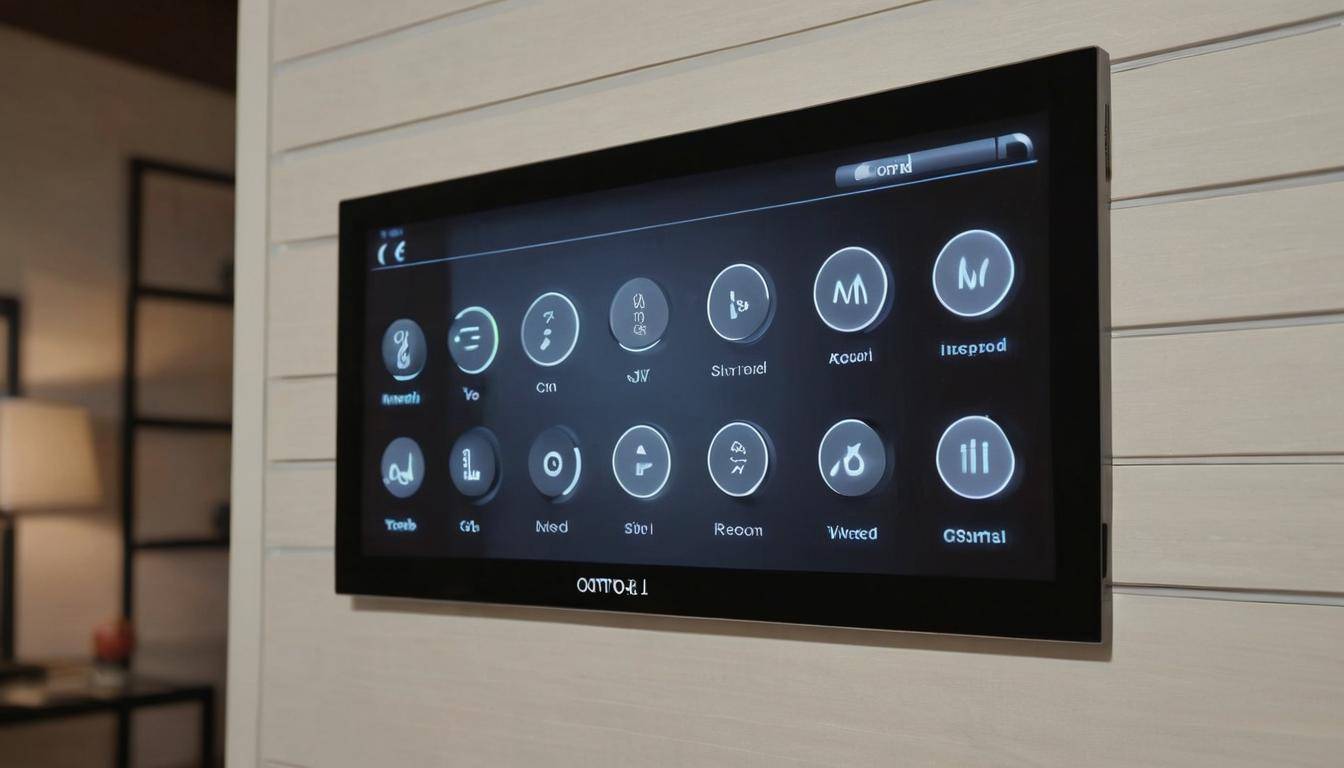
It’s easy to see why custom voice commands are such a game-changer in the world of smart homes. We interact with technology every day, and now, with systems like Amazon Alexa or Google Assistant, we can do so smoothly and efficiently through simple verbal commands. Imagine walking into your home after a long day, saying “Welcome Home,” and having your lights turn on, your favorite music start playing, and even the thermostat adjust to a comfortable setting—all without lifting a finger. It truly feels like something out of a science fiction movie, but this is the reality of today’s connected homes.
Custom voice commands empower you to tailor your smart home system to fit your specific needs and routines. You have the flexibility to create personalized commands that trigger a series of actions, making everyday tasks effortless and seamless. For example, a single command like “Movie Night” can dim the lights, close the blinds, and play your preferred streaming service—all ready for an enjoyable cinema experience from the comfort of your couch.
This level of customization not only enhances convenience but also allows for a more dynamic living experience. You no longer have to juggle multiple apps or devices to manage different aspects of your home; instead, you can achieve all that with just a few spoken words.
Consider setting up a command like “Dinner Time” to set the ambiance by adjusting the lighting, turning on soothing background music, and even alerting you when your meal is ready. The adaptability of custom voice commands transforms mundane activities into delightful experiences.
Moreover, some might argue that relying solely on voice commands could potentially diminish practical skills such as using manual switches or buttons. However, it’s important to note that voice commands are designed to complement traditional controls rather than replace them entirely. They offer an additional layer of convenience without excluding other methods.
As technology continues to evolve, it’s crucial to embrace innovations that align with our increasingly fast-paced lifestyles. Custom voice commands provide an efficient bridge between human interaction and automated processes, offering a new level of control over our living spaces.
Having explored the potential of custom voice commands in optimizing your smart home experience, let’s now examine how these intuitive features can be seamlessly integrated into your daily routines.
Data Management and User Control
The crux of effective home automation revolves around efficient data management and user control. When it comes to smart technologies like SmartThings, having a keen understanding of your data is crucial for informed decision-making. These platforms provide valuable insights through detailed analytics and usage reports, giving users the ability to comprehend their habits and optimize settings for improved efficiency.
By analyzing these reports, users can identify patterns in power consumption, temperature regulation, and device usage. This enables them to make informed adjustments that not only reduce energy costs but also contribute to a more sustainable living environment. For example, having access to real-time energy consumption data allows homeowners to pinpoint ways to reduce waste and make smarter choices for both their wallets and the planet.
The level of control offered by smart home platforms is not just limited to improving efficiency; it also includes granular user permissions that provide an added layer of security. Custom user controls enable homeowners to dictate who has access to various parts of the home automation system, ensuring that sensitive areas are safeguarded from unauthorized use. This feature can be particularly valuable for families with young children or when hiring external services like house cleaners or pet sitters.
For instance, parents can restrict access to certain devices or appliances within the home to prevent accidental misuse by curious children. Likewise, when granting temporary access to individuals such as maintenance professionals or guests, specific permissions can be assigned to limit interactions with critical systems.
From an analysis standpoint, not only does this customization enhance security, but it also provides peace of mind by mitigating the risk of potential mishaps or unauthorized access. The ability to set boundaries within the smart home ecosystem ensures that every user interacts with the system responsibly and within predefined limits.
In essence, effective data management coupled with customizable user control adds a layer of intelligence and security to the modern connected home. It empowers users with the means to optimize their living environments while maintaining a sense of authority over its operations. This level of insight and oversight exemplifies the unparalleled advantages offered by advanced home automation systems.
As we navigate further into the realm of integrating technology seamlessly into everyday life, the practical applications of these systems continue to unfold in surprising ways.
Integrating Smart Technologies into Daily Life
Picture waking up to your favorite music playing at a gentle volume, while your bedroom is illuminated with soft, warm light to ease you into the day. As you come downstairs, a pot of coffee has been freshly brewed by your smart coffee maker, and the thermostat has already adjusted the temperature to fit your morning routine.
This seamless integration is what smart home technology offers – the ability to link individual devices together to create a personalized and efficient living experience. It’s not just about setting up gadgets; it’s about incorporating them into your daily life in a way that enhances convenience, comfort, and joy.
For instance, consider setting automated schedules for lighting, heating, and security based on usual habits. This might entail maintaining a warmer home in the evening when everyone is settling down, or programming your lights to gradually brighten in the morning to mimic the sunrise. These subtle adjustments can provide comfort and streamline daily activities.
It’s like having your own personal butler who understands your every need and preference. Plus, technology isn’t just limited to controlling physical devices. You can also use smart assistants to manage grocery lists, set reminders, play music, or even read out recipes as you cook. This integration offers a level of convenience that can truly transform everyday tasks into more streamlined and enjoyable experiences.
By seamlessly weaving smart technologies into our daily routines, we essentially mold our living spaces to cater to our specific needs and rhythms. Whether it’s adjusting our environment for comfort or simplifying mundane tasks, these integrated systems have the potential to elevate our quality of life in small but meaningful ways.
So let’s explore some practical ways you can integrate smart technologies into your everyday life—after all, there’s so much more to it than meets the eye!
Embracing smart technologies not only streamlines daily tasks but also enhances our overall living experience by offering a personalized and efficient environment tailored to individual needs.
What are some examples of advanced home automation technologies and devices?
Some examples of advanced home automation technologies and devices include smart thermostats, voice-controlled assistants like Amazon Echo or Google Home, smart locks, and robotic vacuum cleaners. These technologies enhance convenience and energy efficiency in the home. In fact, a study conducted by Statista in 2019 showed that the global smart home market is expected to reach a value of $151 billion by 2024, highlighting the growing popularity of these devices among consumers.
What skills or expertise are needed to install and maintain an advanced home automation system?
Installing and maintaining an advanced home automation system requires a combination of technical skills and expertise. Firstly, knowledge of electrical systems and wiring is crucial to ensure a safe and efficient installation process. Additionally, familiarity with networking protocols and wireless communication technologies is important for seamless connectivity between devices. Expertise in software programming and troubleshooting is also necessary for configuring and troubleshooting the system. According to a survey by Statista, 64% of homeowners who adopted smart home technology faced technical challenges that required professional assistance, highlighting the need for skilled professionals in this field.
Are there any potential drawbacks or challenges associated with advanced home automation?
Yes, there are potential drawbacks and challenges associated with advanced home automation. One challenge is the issue of privacy and data security. With multiple smart devices connected to a single network, there is an increased risk of hacking and unauthorized access to personal information. According to a survey by Security.org, 58% of Americans expressed concerns about their privacy being compromised by smart home devices. Another drawback is the dependency on technology, as any technical issues or power outages can disrupt the functioning of automated systems. Additionally, the cost of implementing advanced automation technologies can also be a barrier for some homeowners.
What are the benefits of implementing advanced home automation in a household?
Implementing advanced home automation in a household offers numerous benefits. Firstly, it enhances convenience by allowing control over various aspects of the home, such as lighting, temperature, and appliances, through smartphone apps or voice commands. This eliminates the need for manual operation and saves time. Secondly, it increases energy efficiency by automatically adjusting settings based on occupancy and optimizing energy usage. According to a study by the American Council for an Energy-Efficient Economy (ACEEE), smart thermostats can save homeowners up to 10-15% on heating and cooling costs. Lastly, advanced home automation improves security by offering features like remote monitoring, smart locks, and surveillance systems that provide peace of mind to homeowners.
How much does it typically cost to set up an advanced home automation system?
The cost of setting up an advanced home automation system can vary depending on the size of your home, the number of devices you want to control, and the level of customization you desire. On average, prices can range from $5,000 to $20,000 for a comprehensive system that includes smart lighting, thermostats, security cameras, and voice control. However, it’s important to note that as smart home technology continues to evolve, costs are likely to decrease over time. According to a report by Statista, the global smart home market was valued at $58.68 billion in 2020 and is projected to reach $135.3 billion by 2025, indicating a growing demand for these technologies and potentially more affordable options in the future.