Modern Home Design Ideas 2024 Discover the Latest Interior Trends
Designing a home that feels both timeless and on-trend can often seem elusive. The landscape of interior design continuously evolves, leaving many feeling overwhelmed by choices and uncertain of what truly works.
To ease this journey, we have dug deep into the latest 2024 home design trends and consulted with top designers to bring you fresh ideas that are not only stylish but also practical. From dual-purpose rooms enclosed around luxurious amenities to smart-home integrations that simplify daily life, there are innovative ways to enhance every corner of your living space. Get ready to explore how subtle elements like vinyl floors paired with soft beige tones can transform your home into a modern-day sanctuary.
On our website, users can explore modern home design ideas such as mid-sized minimalist single-wall open concept kitchens with flat-panel cabinets, or mid-sized modern vinyl floor powder rooms with green walls and solid surface countertops. These ideas emphasize clean lines, neutral color palettes, and minimalist aesthetics to elevate the look of any home.
Popular Modern Home Design Ideas
In 2024, modern home design revolves around the blend of practicality and elegance. Amidst the popular trends, mid-sized spaces are witnessing a surge in popularity, with homeowners favoring vinyl floors and soft beige tones, creating a warm and inviting atmosphere that’s easy to maintain. Yet, the focus extends beyond color and flooring; innovative dual-purpose spaces are leaving a lasting impression on modern design.
For instance, envision a swimming pool cleverly integrated between the main living area and a family wing. This dual-purpose room adds a touch of luxury to the home while optimizing space utilization—blending functionality with aesthetics to create spaces that serve multiple purposes without compromising style.
Moving into the kitchen, minimalist single-wall setups are gaining traction. Light wood floors combined with flat-panel cabinets create a sleek and uncluttered look, enhancing the feeling of openness and airiness within the space. The emphasis here is on simplicity and functionality, allowing for seamless movement and easy accessibility in the culinary domain.
Another notable feature making its way into modern living rooms is the inclusion of wet bars with luxurious touches such as illuminated marble backsplashes and full-sized wine fridges—highlighting a shift towards creating multifunctional spaces that facilitate leisure and entertainment at home, elevating the living experience without compromising style or comfort.
For instance, picture this elegantly designed living room with a wet bar serving as a focal point. The illuminated marble backsplash reflects warm ambient light, creating an inviting ambiance for social gatherings. Meanwhile, the full-sized wine fridge ensures that favorite beverages are always close at hand—seamlessly merging practicality with sophistication.
The current modern home design trends emphasize both functionality and style, integrating unique features to enhance daily living while maintaining an aesthetically pleasing environment.
With modern homes embracing functional elegance, it’s time to explore how technology is seamlessly incorporated within these stylish abodes.
Incorporating Technology at Home
The world is evolving at a fast pace, and so are the ways to make our homes more convenient and efficient. Integrating smart technology isn’t just about adding gadgets, but about creating a seamless experience where technology enhances rather than detracts from the aesthetics of a home.
Concealed Installations
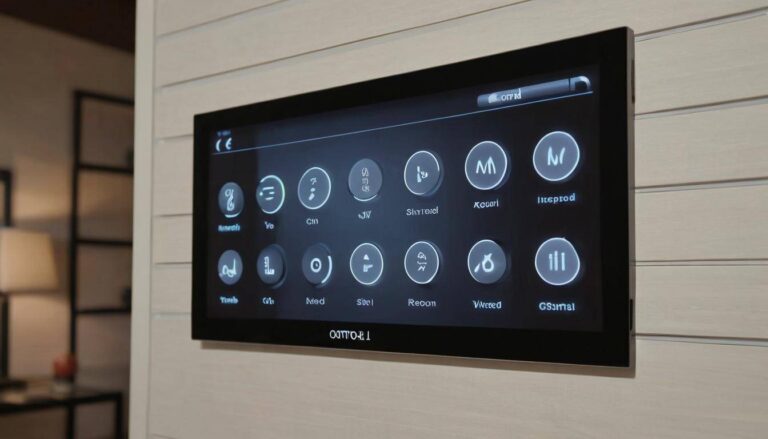
When we think of smart home tech, we often imagine sleek devices sitting on countertops or mounted on walls. However, modern design leans towards seamless integration. Hidden fridges that blend with cabinetry eliminate visual clutter and maintain the clean lines of the kitchen. Similarly, smart mirrors with integrated displays offer convenience without compromising style.
IoT Devices and Home Automation Platforms
IoT (Internet of Things) devices have the ability to connect and communicate with each other, enhancing the functionality and efficiency of your home. Home automation platforms such as Google Nest and Amazon Alexa are central to this ecosystem. They allow for voice control, automated routines, and remote access to various systems in your home like lighting, heating/cooling, and security.
Benefits of Smart Integration
Integrating smart technology offers several benefits beyond just convenience. It can lead to energy savings by automating lighting and heating based on occupancy or time of day. Additionally, smart security systems provide peace of mind by allowing remote monitoring and real-time alerts about any unusual activities at home.
Some might argue that integrating smart technology adds unnecessary complexity or is susceptible to technical issues. However, advancements in these systems have made them more user-friendly and reliable than ever before.
Imagine walking into your foyer after a long day at work; the lights automatically adjust to your preferred setting, the thermostat adjusts itself to your desired temperature, and soothing music starts playing—all controlled through a simple voice command or preset routine on your smartphone.
Embracing technology in your home doesn’t mean sacrificing style; it means upgrading your living space in a way that seamlessly integrates convenience and aesthetics. Smart homes aren’t just about the future; they’re about making the present more comfortable and efficient.
As we continue our exploration of modern home design trends, let’s venture into the realm of innovative materials transforming interior spaces.
Innovative Materials in Interior Design
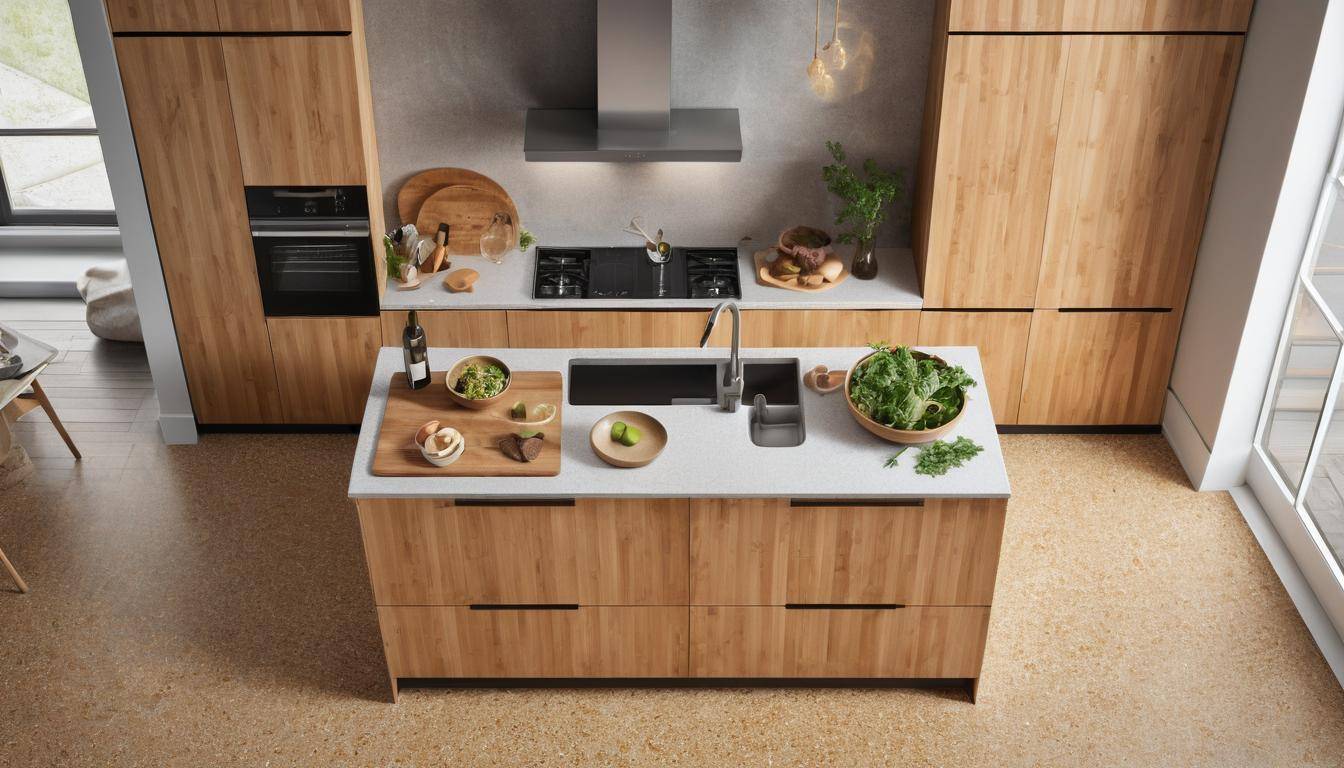
The world of interior design is in constant evolution, and so are the materials used to create stunning and sustainable living spaces. One of the most significant trends in modern interior design is the growing use of sustainable and recyclable materials. In an era where environmental conservation is at the forefront of many people’s minds, it’s no surprise that these materials are gaining popularity.
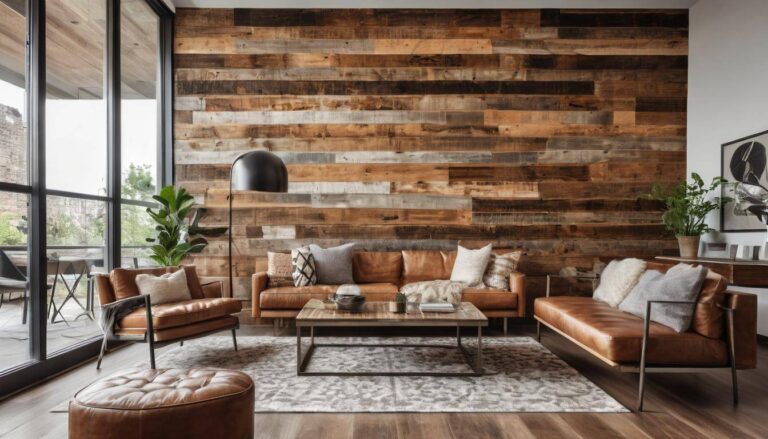
Bamboo, reclaimed wood, and recycled stone are being harnessed not only for their eco-friendly attributes but also for their unique aesthetic appeal. These materials are utilized for both structural and decorative features, adding a touch of natural warmth and character to contemporary living spaces. The use of these materials not only aligns with sustainability goals but also injects a sense of history and authenticity into the design, creating a deeper connection between the occupants and their living environment.
Another notable material making waves in modern interior design is engineered quartz. This material has emerged as a preferred choice for countertops due to its remarkable durability and aesthetic versatility. With a wide range of colors and patterns available, engineered quartz allows homeowners to customize their countertops to suit their desired style while reaping the benefits of a low-maintenance, long-lasting surface.
Glass and metal combinations are also at the forefront of current interior design trends, particularly in furniture and partition designs. These combinations add a sleek, modern touch to living spaces, offering a perfect balance between functionality and visual appeal. The clean lines and reflective surfaces impart an air of sophistication while enhancing natural light flow within the interiors.
As we witness a shift towards sustainable living and innovation in material applications, these trends reflect a conscientious effort to create harmonious living environments that are both aesthetically pleasing and environmentally responsible.
In line with the cutting-edge materials shaping modern interiors, let’s now turn our attention to practical strategies for choosing the right furniture and decor to complement these innovative design elements.
Furniture and Decor Tips
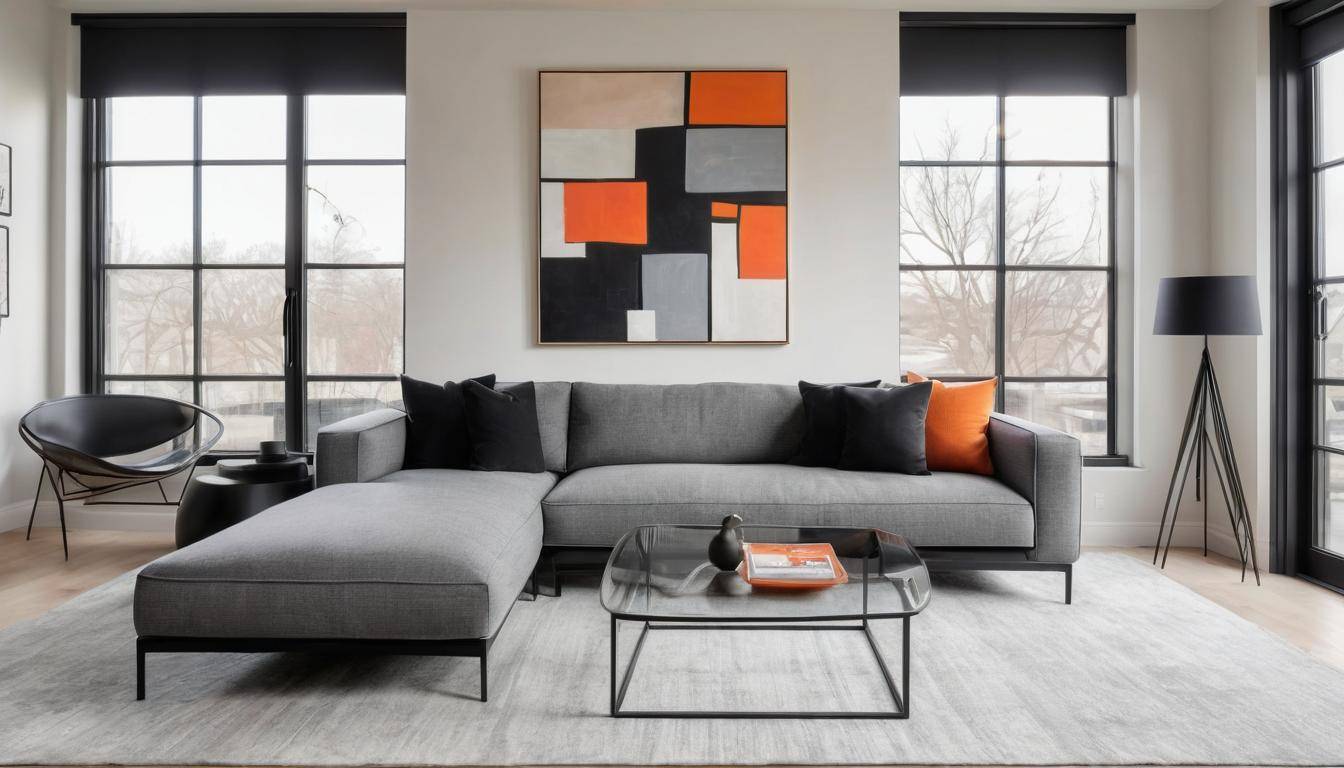
When it comes to modern home design, furniture and decor play a crucial role. They not only infuse personality and style but also serve practical functions. Here are some tips to help you select the right pieces for your space.
Aim for Versatility and Functionality
In a modern home, functionality is key. Look for furniture that can multitask, such as coffee tables with hidden storage compartments or modular sofas that can be reconfigured to suit different living spaces. This approach not only maximizes space but offers adaptability for various needs.
Consider investing in furnishings that serve more than one function, like a sleek sideboard that doubles up as a display unit as well as storage. This helps minimize clutter while elevating the visual appeal of the room.
Embrace Minimalist Designs
A minimalist design aesthetic creates a sense of tranquility and simplicity within a space. When selecting furniture and decor, opt for clean lines, uncluttered surfaces, and muted color palettes. This approach allows each piece to stand out on its own while contributing to a cohesive overall look.
For instance, choose a contemporary sofa with sleek lines and a neutral color scheme that blends seamlessly with the surrounding decor. This not only adds a touch of elegance but also maintains an unobtrusive presence in the room.
Prioritize Comfort Without Compromising Style
Comfort should never be sacrificed for style. Modern homes can exude comfort without sacrificing the sleek appearance. Select comfortable seating options such as ergonomic chairs and sofas with plush cushions, but ensure they align with the overall minimalist design approach.
Incorporate soft textures like wool or velvet for added warmth and comfort without overwhelming the space. Accessories such as throw pillows and blankets made from natural fibers offer both comfort and visual interest without disrupting the modern aesthetic.
Incorporate Statement Pieces Sparingly
Infuse personality into your modern space with carefully selected statement pieces. Perhaps a bold, geometrically inspired art installation or an eye-catching accent chair can serve as focal points within an otherwise understated environment. By incorporating statement pieces sparingly, you create visual intrigue without overcrowding the space.
Careful consideration when selecting furniture and decor will lend an air of sophistication to your modern home, enhancing its functionality and aesthetics alike.
Preferred Colors and Accessories
In the realm of modern interior design, neutral palettes continue to reign supreme, providing a soothing backdrop for contemporary living spaces. Soft whites, earthy beiges, and muted greens are extensively used to create a serene ambiance that feels both refreshing and grounding. These colors serve as a versatile base upon which to build a modern aesthetic, allowing for creativity and personal expression.
The use of accent colors has also seen an interesting shift. Instead of overpowering the space, accent hues are employed sparingly yet effectively. For example, dark blue-painted cabinetry or a single statement piece in vibrant tones can instantly draw the eye and become the focal point of a room. This strategic use of color adds depth and character without overwhelming the senses, capturing attention without stealing the spotlight from the overall design.
To achieve a more minimalistic yet striking look, choose accessories that are simple yet compelling. Geometric vases with clean lines, abstract wall art that provokes thought, or even sculptural pieces can all work wonders as understated but impactful embellishments to complement the modern design approach.
This deliberate embrace of simplicity in accessorizing doesn’t mean sacrificing visual interest; rather, it encourages a curated selection of pieces that hold their own amidst the clean lines and uncluttered spaces typical of modern design. Each accessory is chosen thoughtfully to contribute to the overall aesthetic while maintaining an engaging visual presence. This approach keeps the space looking sleek and welcoming without feeling stark or sterile.
For instance, a sleek and minimalist vase in an interesting shape or texture can make a subtle yet meaningful statement. Similarly, abstract wall art with bold strokes or unexpected color combinations can enliven a space without overwhelming it. These are just a few examples of how modern design emphasizes purposeful detailing to elevate the atmosphere within a home.
Now, let’s turn our attention to another pivotal aspect of interior design—lighting and window treatments.
Lighting and Window Treatments
Lighting is pivotal in creating a welcoming and functional atmosphere within your home. When utilized effectively, it can enhance aesthetics, elevate moods, and add a sense of spaciousness. Effective lighting not only illuminates spaces but also complements the overall interior design, making everything come together seamlessly.
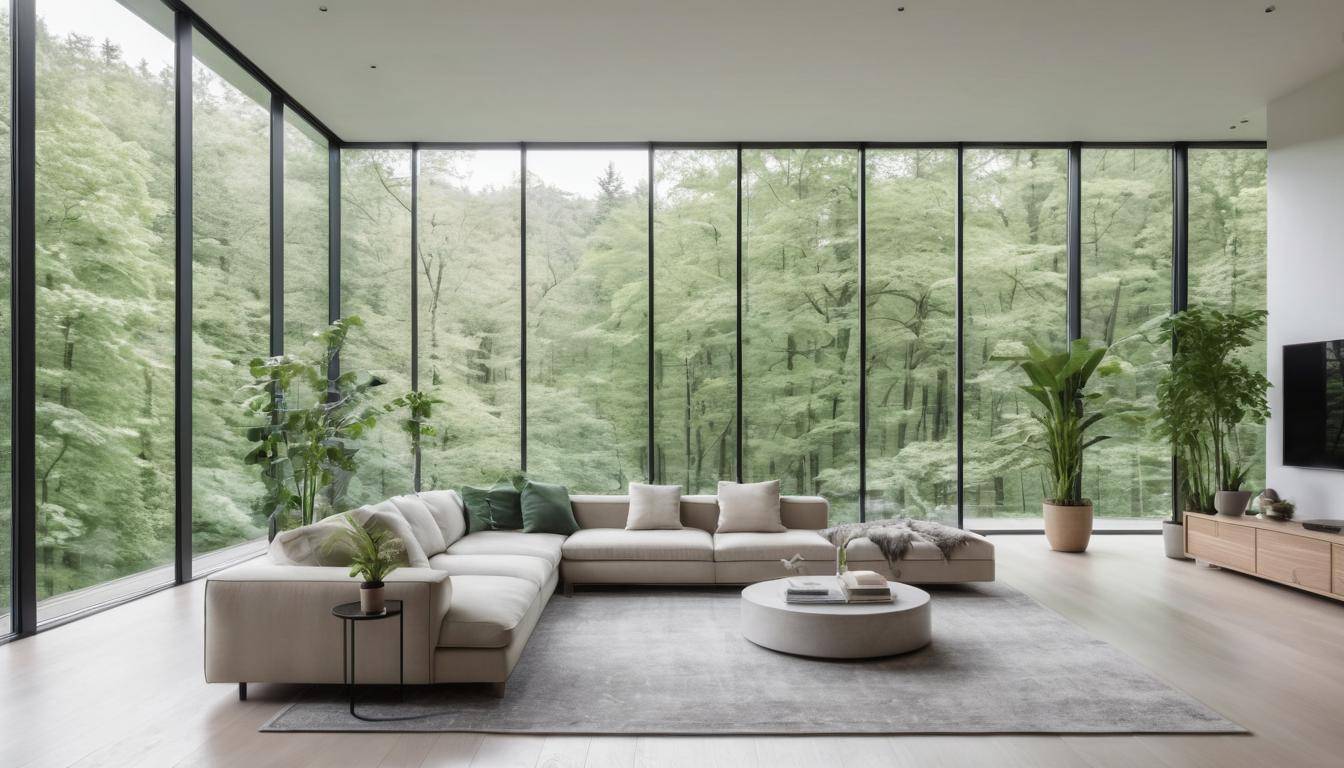
Natural Light vs. Artificial Light: Natural light is irreplaceable, contributing to a sense of openness and warmth while reducing energy consumption. Design trends favor large, unadorned windows that allow an abundance of natural light to flood interiors. Minimalist window treatments such as sleek roller shades or automated blinds offer both versatility and simplicity. On the other hand, well-designed artificial lighting is equally important, particularly when natural light is limited. Layered lighting techniques incorporating recessed lights, pendant fixtures, and floor lamps provide options for various settings for different activities.
Imagine a cozy reading nook bathed in soft, warm light from a stylish floor lamp or a well-lit kitchen with strategically positioned recessed lights for effective task lighting. Each space can be tailored to accommodate different needs throughout the day.
Considering LED technology has become increasingly popular due to its energy efficiency and longevity, it is highly recommended for modern homes. LED lights last longer than traditional bulbs, consuming less energy while offering a wide range of color temperatures to suit different preferences.
You may wonder about the best types of window treatments to pair with your lighting choices. 2024 brings renewed focus on minimalist designs, with emphasis placed on clean lines and uncluttered spaces. A prevalent preference for large windows means that window treatments should complement rather than compete with the design aesthetic.
Given this trend, roller shades or automated blinds are the go-to options for modern homes. Their streamlined appearance seamlessly integrates with contemporary interior design while offering versatile light control options.
Understanding how to capitalize on natural and artificial light sources along with selecting appropriate window treatments can significantly influence the look and feel of your living spaces. It’s an exciting world of endless possibilities that can transform your home into an oasis of comfort and style.
With a solid understanding of how lighting and window treatments can transform living spaces, let’s now turn our attention toward specific style and trend recommendations to further enhance your home’s ambiance.
Style and Trend Recommendations
In 2024, the concept of minimalism continues to influence modern home design. This approach is characterized by clean lines and uncluttered spaces, creating an aesthetic that exudes simplicity and sophistication. The embrace of open floor plans is a popular trend, as it facilitates seamless transitions between rooms and fosters a sense of airiness and spaciousness throughout the home. By eschewing unnecessary furniture and decor items, homeowners can create an environment that feels both calming and visually appealing.
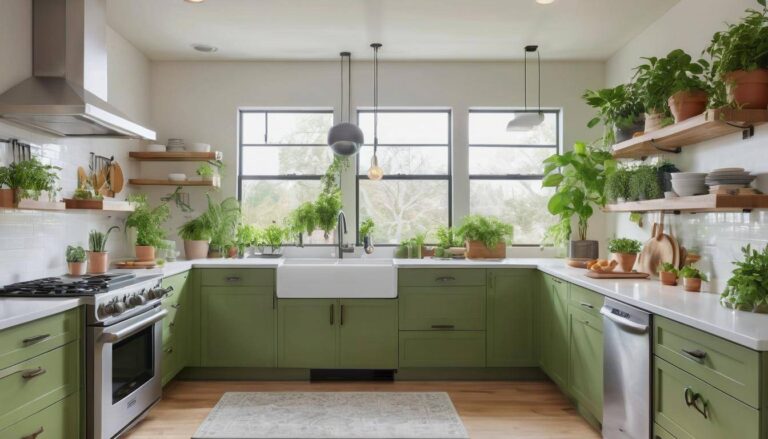
Moreover, the incorporation of biophilic design elements has gained significant traction in the realm of interior design. This trend emphasizes the integration of natural elements such as indoor plants, natural light, and organic materials to establish a strong connection with the outdoors. The presence of greenery not only adds a refreshing touch to the interior but also contributes to improved indoor air quality and overall well-being. Ample natural light streaming through large windows further enhances this effect, creating a bright and uplifting ambiance within the living space.
To maintain the pristine and uncluttered look synonymous with minimalist design, customized built-in storage solutions are becoming increasingly popular amongst homeowners. These tailored storage options provide ample space for organizing belongings while seamlessly blending with the overall aesthetic of the home. From sleek cabinetry integrated into living room walls to discreet storage compartments beneath staircases, these solutions ensure that every item has its designated place without compromising the visual appeal of the space.
When it comes to minimalism, simplicity is key. The choice of furnishings should align with this fundamental principle, opting for pieces that exude understated elegance and functionality. Clean-lined furniture pieces with minimal embellishments complement the overall design ethos, contributing to a cohesive and harmonious visual composition.
It’s important to remember that while minimalism serves as a guiding principle in modern home design, personalization is equally crucial. Tailoring these trends to suit individual preferences allows for the creation of living spaces that are both stylish and reflective of one’s unique personality.
By embracing these design concepts and integrating them into your home environment, you can foster an atmosphere of tranquility, elegance, and effortless functionality that resonates with the contemporary aesthetic of 2024.
As we take a step beyond mere aesthetics and dive into the practical benefits of embracing modern home designs, let’s explore how these trends can positively impact daily life.
Benefits of Modern Home Design
Modern home design revolves around creating living spaces that are both beautiful and practical. This approach emphasizes functionality and simplicity to make our daily lives easier and more enjoyable. Implementing these principles in your home can offer numerous benefits for your physical environment and overall well-being.
When it comes to modern home design, open floor plans are a key feature. By eliminating unnecessary walls and barriers, they create a sense of spaciousness and flow, making smaller homes feel larger and more inviting. This layout allows for seamless interaction between different areas of the house, fostering a sense of togetherness among family members and guests, while also enabling more natural light to pass through the space, enhancing the overall ambiance.
Additionally, multifunctional furniture plays a crucial role in maximizing space efficiency. Pieces that serve multiple purposes, such as sofa-beds or ottomans with storage compartments, help declutter living spaces and make them more adaptable—especially valuable in smaller homes or apartments where every inch counts.
Moreover, the minimalist aesthetic often associated with modern home design has been proven to have a positive impact on mental health. A clutter-free environment can reduce stress, promote relaxation, and even enhance productivity. When your living space is free from unnecessary distractions and excessive belongings, it becomes a calming sanctuary where you can unwind after a long day.
Consider this: Instead of having an extensive collection of decorative items, a modern home might feature a select few pieces that hold personal significance or aesthetic value. This deliberate curation not only creates an inviting atmosphere but also reduces the environmental impact of mass consumption.
Another significant aspect of modern home design is the integration of sustainable and energy-efficient materials and technologies. These eco-friendly choices benefit both the environment and homeowners in the long run. By utilizing energy-efficient appliances, lighting systems, and insulation, households can significantly reduce their energy consumption and utility bills while minimizing their carbon footprint.
In addition to cost savings on energy expenditures, incorporating sustainable materials like bamboo flooring or reclaimed wood contributes to healthier indoor air quality by reducing harmful emissions commonly found in traditional building materials. Furthermore, these environmentally friendly options can enhance the resiliency and durability of your home, potentially increasing its long-term property value.
In essence, by embracing modern home design principles, homeowners not only create visually appealing spaces but also foster practicality, sustainability, and well-being within their living environments. These thoughtful designs benefit those who reside within them and have far-reaching positive effects on our planet as a whole.
The fusion of style with functionality and sustainability allows modern home design to reshape living spaces for the better – benefiting not just our personal lives but also contributing to a greener future.